Rivers move, and that movement shapes everything about how fish live in them, which is why river fishing with a fish finder requires a slightly different approach than lake fishing. Fish sit in current breaks, deep holes, eddies and behind structure, and they use these places to rest and feed with little effort. Sonar can show holes, wood and bottom changes, GPS can mark them and help you hold position in current, and together they make river fishing more efficient and safer. This guide explains how rivers differ from lakes, how to read current and structure, how to set up your electronics for moving water, how to approach and anchor and how to stay safe around hazards such as debris, shallow bars and rising water.
River fishing with a fish finder: how rivers differ from lakes
Moving water changes fish behaviour and boat handling.
Current shapes habitat
Fish hold where current is weaker, such as behind rocks, along banks, in eddies and in deep holes. Food drifts past, and fish only need to dart out to eat.
Water levels change
Rain, releases and seasons alter depth, current and clarity. A hole that was productive last week may be different now.
Hazards are common
Submerged wood, shallow bars, rocks and debris are all concerns. Careful navigation matters. See our boat navigation safety basics.
Read the river
Bends and holes
Outside bends often have deeper holes where current scours the bottom. Inside bends have shallow bars.
Seams and eddies
A seam is where fast and slow current meet. Fish often hold on the slow side. Eddies form behind obstructions and provide resting places.
Structure
Logs, rock piles, bridge pilings and undercut banks provide cover. Sonar can show them. Our side imaging vs down imaging guide explains the views.
Use sonar in a river
Watch the bottom
Read depth changes and hard versus soft bottoms. Our how to read a fish finder guide can help.
Look for holes and shelves
Deeper pockets and shelves hold fish in current. Mark them.
Spot wood and rocks
Imaging helps you see them. 2D sonar shows them as bumps and marks.
Keep settings simple
Moving water carries air and debris, so adjust sensitivity to reduce noise. See our fish finder settings guide.
Use GPS in a river
Mark holes and hazards
Waypoint productive holes, shallow bars and hazards. See our marine GPS waypoints guide.
Hold position in current
GPS and a trolling motor can hold the boat in place. Some units offer position-hold features.
Track your route
A track helps you retrace safe channels, especially on rivers that change. Update it after floods.
Use charts where available
Detailed river charts show depth and navigation aids, but check them against what you see.
Approach, anchor and position
Approach from downstream
Fish face upstream, so approaching from downstream keeps you behind them.
Anchor carefully
Anchoring in current is risky. Use a suitable anchor, enough line and a quick-release method, and never tie the anchor line to the stern. Our GPS anchor alarm guide shows how electronics can help.
Use a trolling motor
A trolling motor helps you hold position quietly.
Cast to seams and structure
Place lures where fish rest, and let current carry them naturally.
Seasons and conditions
High water
Fish move to the edges and slack water. Debris increases.
Low and clear water
Fish hold in deeper holes and shade. Stealth matters more.
Cold weather
Fish seek deeper, slower water. See our winter fishing with sonar guide.
Safety on the river
Wear a life jacket
Moving water is dangerous even for strong swimmers.
Check the forecast and river levels
Rising water changes everything. Leave if levels increase.
Watch for hazards
Avoid low-head dams, strainers and fast water beyond your skill.
Tell someone and carry communication
Share your plan and keep a phone or VHF handy. See our solo fishing safety guide.
Equipment for river fishing
A compact fish finder
Compact units with CHIRP and GPS suit small river boats. See our jon boat guide.
A rugged transducer mount
Choose a mount that can tilt up if it strikes an obstruction. See our transducer guide.
Spare parts
Carry spare fuses, cable ties and a prop.
Common mistakes
- Anchoring in strong current.
- Ignoring changing water levels.
- Not marking hazards.
- Driving fast in unfamiliar stretches.
- Skipping a life jacket.
A river trip workflow
Start by checking the river level and forecast, then choose a stretch that matches your experience. Launch and run slowly through the section, using sonar to note depth and bottom type and your GPS to mark holes, bars and hazards. On the second pass, slow down and look at the screen for fish, bait and wood. Choose two or three spots that combine depth, cover and a seam, and fish them methodically, starting from the downstream side. If you catch fish, mark the exact spot and note the lure and presentation. At the end of the day, review your waypoints and delete weak ones. Each trip adds detail to a personal map of the river.
Learn how the river changes
Rivers change after floods, and bars and holes move. Re-scout your favourite stretches after high water, and be ready to rename or delete waypoints. A map that is out of date can lead you into shallow water or away from the fish.
Carry the right backup gear
Rivers can strand you. A spare prop, a paddle, a first aid kit and a charged phone are sensible items. A handheld GPS or a phone navigation app with an offline map gives you a second source of position. Check our marine compass and backup navigation guide for ideas.
Choosing a transducer position for river boats
River boats often run in shallow water and strike debris, so transducer mounting deserves extra thought. A kick-up transom mount lets the transducer swing back if it hits an obstruction. Position it so it stays submerged in shallow water but is protected by the hull shape. Check cable routing to avoid snags, and carry a spare mounting hardware. After running over a bar or log, check that the transducer is still in the right position and that the face is undamaged.
Fishing methods that suit rivers and sonar
Different methods work well with sonar in moving water. Casting to seams and structure lets you place lures where fish rest, and sonar helps you choose the right ones. Drifting with the current while watching the screen lets you cover long stretches and find fish along banks. Vertical jigging in deep holes puts lures right on the fish you see below. Anchored fishing can work in slack water, but be careful in current. Whatever method you use, move slowly, watch the screen and mark what you find.
Frequently asked questions
Can I use a fish finder in a river?
Yes. Sonar works in rivers, though current and debris add noise.
Do I need GPS on a river?
It helps with marking spots and hazards, and with returning safely.
How deep are river holes?
They vary widely, so use sonar to find them.
What is the best time to fish a river?
Often early and late, and when levels are stable.
Fish the river with confidence
River fishing with a fish finder combines reading the current with reading the screen. Look for holes, seams and structure, mark them with GPS and respect the power of moving water. Browse fish finders and GPS in our shop and contact us for help choosing equipment for river fishing.
Related reading from Fishtrail Outfitters
- Fish Finder Chartplotter Combo: Is an All-in-One Unit Right for You?
- Night Fishing Electronics: Use Sonar, GPS and Lights Safely
- Ice Fishing Fish Finder Guide: Choose, Set Up and Read Sonar Through Ice
- Fish Finder vs GPS Marine: Which Category Do You Need First?
Products mentioned in this guide
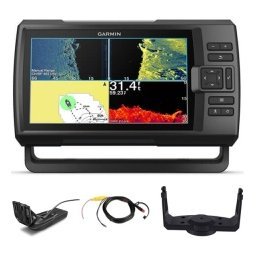
- Fishfinder Garmin Striker Vivid 4CV + Sonar 77/200/455/800 KHz
- Fishfinder Garmin Striker Vivid 5CV + Sonar 77/200/455/800 KHz
- Fishfinder Garmin Striker Vivid 7CV + Sonar 77/200/455/800 KHz
Further reading: U.S. Coast Guard Navigation Center · Take Me Fishing: how to get started and where to fish
Questions before you buy? Contact Fishtrail Outfitters or browse the shop.