A fishing journal is the cheapest and most powerful fishing tool you can own, because memory fades while notes, waypoints and photos do not. Anglers who record conditions, locations and results soon see patterns that others miss: the tide that always brings fish on, the wind that kills a spot, the lure that works only in a narrow temperature range. This guide explains why a journal helps, what to record on each trip, how to combine GPS waypoints, photos and short videos, whether to use paper or digital notes, how to review your records at home, how to protect sensitive spots, and how to keep the habit going without making it a chore.
Why keep a fishing journal
Fishing is a long game of small observations. A single trip may seem random, but fifty trips recorded properly reveal rhythms. A journal also saves time: instead of guessing where you caught fish last October, you can look it up. It helps you remember what you learned from mistakes, and it provides a record of good days to enjoy later. For many anglers, the journal becomes as rewarding as the fishing.
Patterns beat luck
Records show how fish respond to weather, water, moon, tides and seasons. Over time, luck turns into knowledge.
Memories you can share
Photos and notes capture people, places and stories that would otherwise fade.
What to record on every trip
Keep your entries simple so you actually do them. A good entry takes a few minutes and includes date, time, location, weather, wind, water temperature, water clarity, tide or level, what you used, what you caught and what you learned.
Conditions
Write down air temperature, wind direction and speed, cloud cover, and any changes through the day. Note pressure trends if you track them.
Water and location
Record depth, structure, bait presence and temperature. Link to a GPS waypoint for exact positions.
Tackle and tactics
Note lures, baits, colours, retrieves, depths and speeds. Record what did not work too.
Results and impressions
Record numbers, sizes and species, but also how fish behaved. Did they feed in a short window? Did they follow lures?
Use GPS waypoints
Waypoints are the backbone of a digital journal. Mark every productive spot, every interesting structure and every place where you saw bait. Give each waypoint a clear name, such as date and species, and add notes if your unit allows. Back up waypoints regularly, and refresh them after software updates. Our marine GPS waypoints guide explains labelling and organising in detail.
Mark failures too
A spot with no fish on a good day is also useful information. Mark it and add a note.
Use tracks
Save your track to see where you searched. It prevents repeated coverage and shows how you approached a spot.
Sync with your journal
Copy key waypoints into your notes with a short description, so that you can find them if the device fails.

Add photos and video
Photos record conditions better than words. A shot of the water, the sky, a map screen and the fish tells a rich story. Short video clips capture moments and movements that notes cannot. Use your phone or an action camera, and tag or rename files so they match entries. See our photograph your catch guide, GoPro settings guide and guide to editing fishing videos.
Photograph the sonar screen
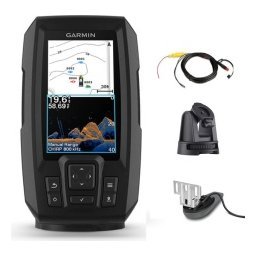
A quick photo of the display records depth, bait and structure at that moment. It is a fast way to document without typing.
Keep files organised
Create a folder for each trip, with the date in the name. Copy photos and videos there soon after returning.
Paper or digital
Both work. Paper is simple, waterproof if you use the right paper, and needs no battery. Digital notes are searchable, easy to back up and can link to photos and waypoints. Many anglers use a hybrid: quick notes on the water, then a fuller entry at home. Choose the system you will actually use.
Use templates
A simple template reminds you what to record. Make one with the fields you care about and use it every time.
Protect your notes
Back up digital notes, and keep paper notes dry and safe. Do not rely on a single copy.
Review and learn
At home, read your entries, look at waypoints on a map and compare results across conditions. Ask questions: Where did the bite happen? What changed from the last trip? Which tactics worked repeatedly? Make a short summary each month or season, and note what to try next. A review turns a diary into a plan.
Build a season map
Overlay waypoints across months to see how fish move. Our fall fishing with electronics guide shows how seasonal patterns appear on maps.
Share carefully
If you share journals or maps, consider whether you are revealing sensitive or heavily pressured spots. Protect places that need protection.
Make the habit stick
- Keep the journal where you keep your tackle.
- Write notes immediately, even in a few words.
- Take one photo of the water at each spot.
- Set aside ten minutes after each trip to finish the entry.
- Review once a month.

Common mistakes
- Waiting days before writing.
- Recording only successes.
- Not backing up waypoints.
- Forgetting to note conditions.
- Making entries too complicated.
A sample entry
Imagine a morning entry: date and time, light south wind, water temperature in the mid sixties, clear water, rising tide. Waypoint named for the date and species, at a point where the bank turns and bait was visible on the sonar. Fished a small jig on a slow retrieve at about eight feet, three fish in the first hour, bites stopped when the tide slowed. Photo of the sonar screen and one of the point. Lesson: fish moved with the tide, so return an hour before the rise next time. That short note holds more value than a vague memory of a good day, and it takes minutes to write.
Build themed pages
Over time, create summary pages for each spot, species or season. A page for a favourite point might list the best tide, wind, lures and months. These pages become a personal guidebook.
Teach others
A well-kept journal is a great way to teach children and new anglers. Show them how you track patterns, and invite them to add their own notes. See our fishing with kids guide.
Frequently asked questions
What should I put in a fishing journal?
Date, place, conditions, tackle, results and lessons, plus waypoints and photos.
Is a digital journal better than paper?
Neither is better. Choose what you will use consistently.
How long should an entry be?
Short enough that you finish it every time.
Should I record trips that went badly?
Yes. They often teach the most.
Start your journal today
A fishing journal with GPS waypoints and photos turns every trip into knowledge that lasts. Start simple, record consistently and review often. Browse GPS units, cameras and accessories in our shop and contact us if you would like help choosing tools for your journal.
Related reading from Fishtrail Outfitters
- Plan a Fishing Trip With GPS: A Step-by-Step Method for Better Days
- Fish Finder with GPS: Why It Is Worth It and What to Look For
- Marine GPS Waypoints for Fishing: How to Mark, Name and Use Them
- Tournament Fishing Electronics: Prepare Your Sonar, GPS and Power
- How to Photograph Your Catch Responsibly: Photos, Handling and Release
Products mentioned in this guide
- Fishfinder Furuno FCV 600
- Fishfinder Furuno FCV 800
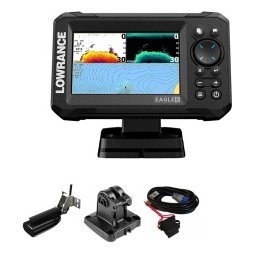
- Lowrance Eagle 5 CHIRP Splitshot Gps Fishfinder + 455/800 KHz Transducer
Further reading: GoPro official website · U.S. Coast Guard Navigation Center
Questions before you buy? Contact Fishtrail Outfitters or browse the shop.