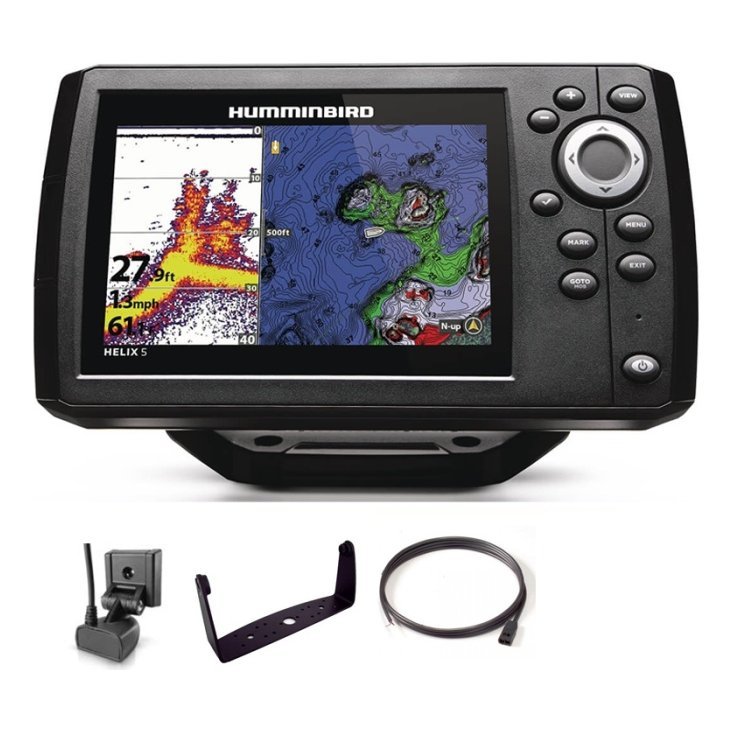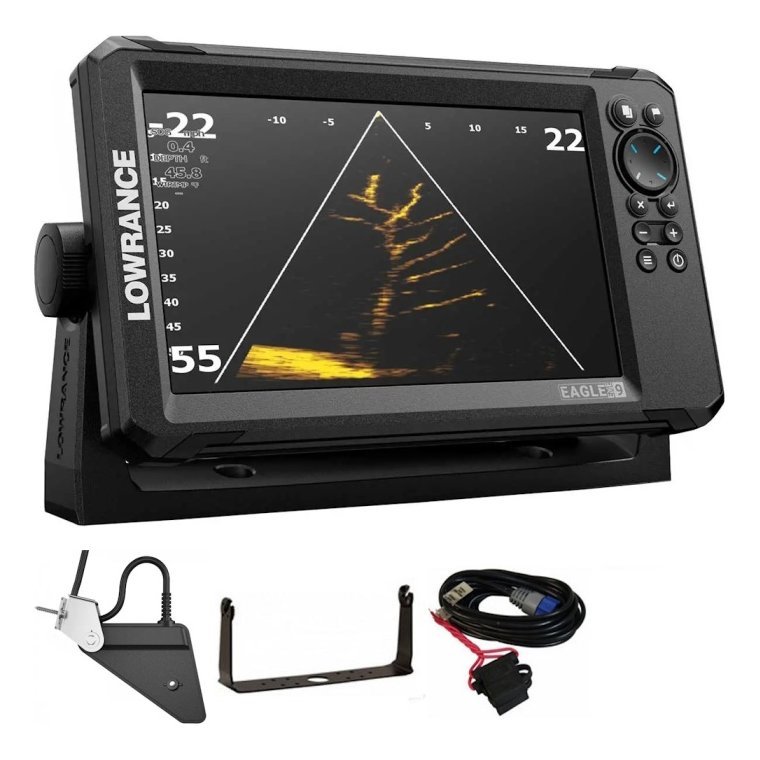
Fishing after dark can be peaceful, cooler and very productive, but it asks more of your preparation, and night fishing electronics are the backbone of a safe and effective trip. Sonar shows what you cannot see, GPS shows where you are when landmarks vanish and well-chosen lighting keeps you and your boat visible. This guide explains how to set up screens for night use, which settings help, how to use GPS and waypoints to navigate in the dark, what lighting and safety equipment you need, how fish behave at night and how to protect your night vision. It is written for anglers who want to extend their fishing hours without taking unnecessary risks.

Why night fishing electronics are worth the effort
Night fishing has real advantages.
Cooler, calmer conditions
In hot weather, night brings cooler air and often calmer water. It can be more comfortable for anglers and for fish.
Active fish
Many species feed in low light, and some move shallow at night. Bait often moves with them.
Less pressure
Waters are often quieter at night, which suits wary fish.
Set up your screens for night use
Switch to night mode
Use a dim colour palette and lower brightness to protect your night vision. Most units have a night mode that you can switch on quickly.
Reduce glare
A bright screen can blind you and reflect on the windscreen. Dim it to the lowest comfortable level.
Use clear layouts
Choose a simple layout with big numbers and clear marks. See our fish finder settings guide.
Position the screen well
Angle it so that you can see it without lifting your eyes far from the water.
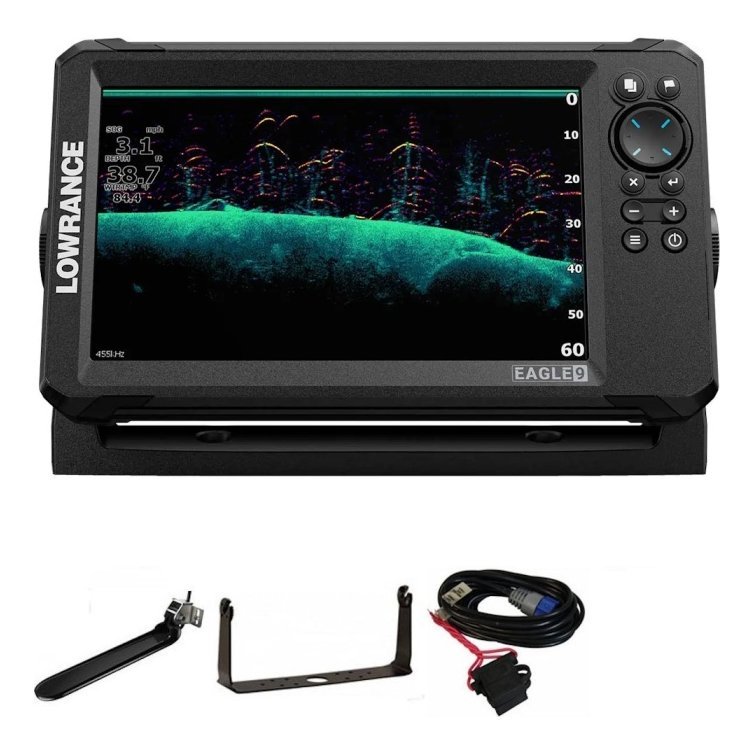
Use sonar after dark
Fish do not change on sonar
The picture is the same day or night, so everything in our how to read a fish finder guide still applies.
Look for bait and structure
Bait balls and structure are your clues, as they are in the day. See our baitfish on a fish finder guide.
Search more slowly
Slow down so that you can read the screen safely and avoid hazards.
Mark waypoints
Mark productive spots clearly so you can return in daylight to check them. See our marine GPS waypoints guide.
Navigate safely with GPS
Know your position
At night, shorelines look different and landmarks disappear. A chartplotter shows exactly where you are.
Use routes and tracks
Plan a route to your spot and back to the ramp, and follow your track home if visibility drops.
Mark hazards
Mark rocks, stumps and shallow areas as hazard waypoints, and keep them in a separate group.
Set alarms
Use shallow-water and arrival alarms for extra safety. See our GPS anchor alarm guide.
Lighting and visibility
Navigation lights
Make sure your lights work and are suitable for your boat. Our navigation lights guide explains the basics.
Work lights
Use dim, preferably red or low-intensity lights near the console and tackle area to preserve night vision.
A spotlight and flashlight
Carry a spotlight for finding markers and hazards, and a flashlight for close tasks.
Be visible
Wear reflective strips on your life jacket and keep an all-round white light on if rules require.
Safety first
Wear a life jacket
Falls are more dangerous at night. Wear a properly fitted life jacket.
Tell someone
Share your plan and expected return time.
Keep a lookout
Watch and listen for other boats. See our boat navigation safety basics.
Carry communication
Take a charged phone in a waterproof case and a VHF radio if appropriate. See our VHF radio basics guide.
Fish behaviour at night
Shallow feeding
Predators often move to shallow structure to feed on bait.
Light as an attractor
Lights near the water can attract bait and predators. Check local rules before using lights.
Quiet matters
Sound travels well at night, so move quietly.
Power and gear care
Check your battery
Lights, electronics and a trolling motor drain batteries. Carry spares and keep the battery charged. See our boat wiring basics.
Keep gear organised
Store tackle where you can find it without a bright light.
Common mistakes
- Leaving screen brightness too high.
- Fishing unfamiliar water without a chart.
- Running too fast.
- Skipping lights or safety gear.
- Forgetting spare batteries.
Preparing before sunset
Night trips begin in daylight. Arrive at the ramp early, launch calmly and test everything while you can see it: lights, electronics, bilge pump and anchor. Take a few minutes to run past the places you plan to fish, mark any hazards you see with waypoints and note landmarks that will be visible after dark. Check your battery voltage and make sure the fuse holders are tight. Write your plan on a note or tell a friend. When the sun sets, you will start the night with a clear picture of the water and a boat that is ready, which makes every decision calmer.
Dress for the temperature drop
Temperatures drop quickly after sunset, even in summer. Bring layers and a waterproof jacket, because spray feels much colder in the dark. A warm hat and gloves are small items that make a big difference to comfort and to how long you can fish.
Keep a simple routine at the helm
Keep the screen dim, the console tidy and the essential items such as a flashlight and spare fuses in the same place every trip. A predictable routine means you do not fumble in the dark.
Using a camera at night
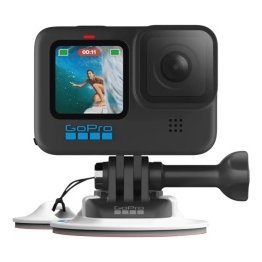
If you like to film, night footage needs more light and different settings. A small light on the camera or a bright lamp on the boat can help, but be careful not to dazzle other anglers or disturb fish. Keep clips short, because low-light footage uses more battery and produces larger files. Our guides to GoPro settings for fishing and fishing video tips have more about getting the best from a camera in difficult light.
Handling common night problems
Several problems appear again and again at night. Glare from a bright screen can ruin your night vision, so dim it before you leave the dock. Tangles are harder to see, so slow down and keep tackle organised. Bugs gather around lights, so carry repellent and keep lights low. Fatigue creeps up faster than you expect, so rest if you feel tired and never operate the boat when drowsy. If conditions change, such as fog, wind or approaching storms, head back early and follow your GPS track home. Our boating in fog guide explains how to use electronics when visibility drops.
Frequently asked questions
Do fish finders work at night?
Yes. Sonar works the same at night, and screens have night modes.
Do I need GPS at night?
It is strongly recommended for navigation.
Is night fishing safe?
It can be, with preparation, lights and a careful approach.
Can I film at night?
Yes, though footage will be noisier. See our fishing video tips.
Fish after dark with confidence
Night fishing electronics give you eyes below the water and a reliable sense of position above it. Set up your screens for night, mark hazards, light your boat properly and put safety first. Browse fish finders and GPS in our shop and contact us if you would like help choosing equipment for night trips.
Related reading from Fishtrail Outfitters
- Fish Finder Chartplotter Combo: Is an All-in-One Unit Right for You?
- River Fishing With a Fish Finder and GPS: Read Current, Holes and Structure
- Fish Finder vs GPS Marine: Which Category Do You Need First?
- Kayak Fish Finder Guide: How to Choose and Mount One on a Kayak
- Boat Navigation Lights and Night Boating Rules: A Practical Guide
Products mentioned in this guide
- Fishfinder Garmin Striker Vivid 4CV + Sonar 77/200/455/800 KHz
- Fishfinder Garmin Striker Vivid 5CV + Sonar 77/200/455/800 KHz
- Fishfinder Garmin Striker Vivid 7CV + Sonar 77/200/455/800 KHz
Further reading: U.S. Coast Guard Navigation Center · U.S. Coast Guard boating safety resources
Questions before you buy? Contact Fishtrail Outfitters or browse the shop.