Choosing between a fish finder vs GPS is one of the first questions new boat owners face, and the answer depends on how you fish, where you boat and what you want to see. A fish finder uses sonar to show depth, structure and fish beneath the boat, while a marine GPS shows your position, your route and charted hazards. Many modern units combine both, which blurs the line. This guide explains what each device does, where they overlap, which one suits different boats and waters, how to think about budget, how combination units work, how to build a system over time, and how to avoid common buying mistakes. It will help you choose a starting point and plan upgrades with confidence.

What a fish finder does
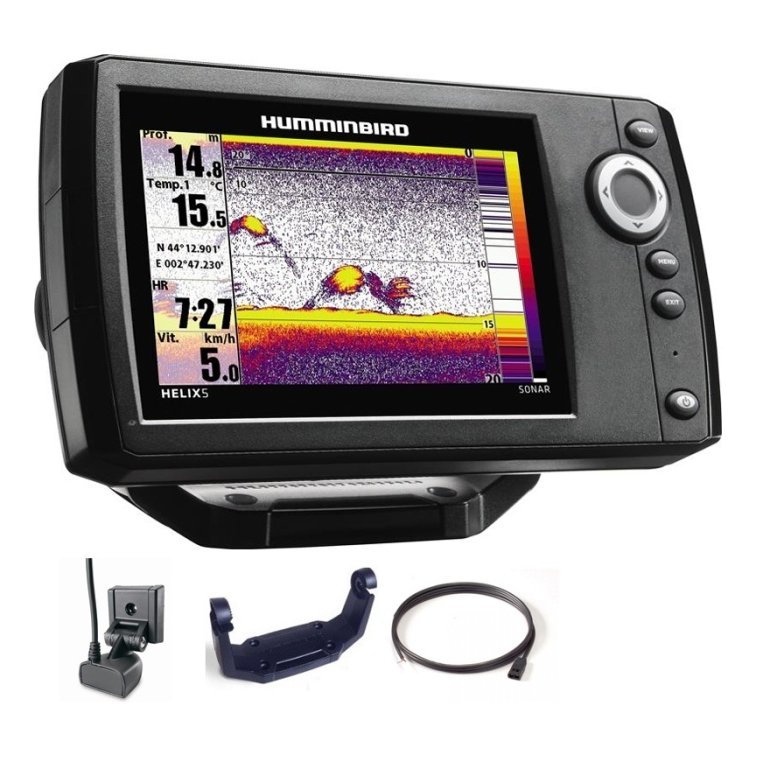
A fish finder sends sound pulses into the water through a transducer and displays the returning echoes. It shows depth, bottom hardness, structure, weeds, bait and fish. Different views and frequencies give different information, and settings let you adjust sensitivity and range. A fish finder is a tool for finding fish and understanding underwater features. See our fish finder basics guide and fish finder settings guide.
Key strengths
It shows what is beneath you in real time, which helps you find structure and fish, avoid shallow water and fish more efficiently.
Key limits
It does not by itself tell you where you are on a map, unless combined with GPS.
What a marine GPS does
A marine GPS uses satellites to determine your location and shows it on a chart or map. It can display routes, waypoints, tracks, speed and heading, and charts can show depth contours, channels and hazards. It helps you navigate, return to productive spots and plan trips. See our marine GPS waypoints guide.
Key strengths
It tells you where you are and where you are going, and it lets you save and return to places.
Key limits
A basic GPS does not show what is under the boat. It relies on charts, which may not show every hazard.
Where they overlap
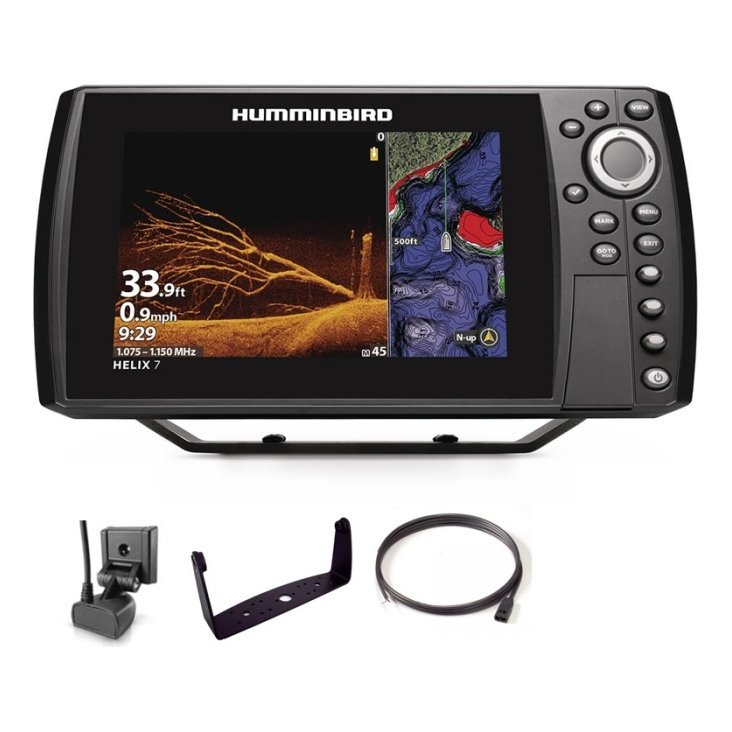
Many units combine sonar and GPS, showing a map and a sonar screen together. Chartplotters with built-in sonar are common, and many fish finders include GPS and mapping. The overlap means you may not need to choose strictly one or the other. Instead, think about which function matters most and whether you want both in one display or in separate devices.
Combination units
A combo unit saves space and wiring, but it relies on one screen. Separate units give redundancy but need more space and power.
Chart quality
Check which charts are included or supported and whether you can update them. Charts matter for safety and fishing.

Fish finder vs GPS: which to buy first
Your boat and your water decide. If you fish small lakes, ponds or rivers in a small boat, a fish finder, especially one with GPS, usually gives the most value. If you boat on large lakes, coastal waters or unfamiliar areas, GPS and charts are important for safety. If you want to fish deep structure or offshore, you may need both from the start.
- Small boat, small water: fish finder with basic GPS.
- Large lake or coastal: GPS with charts, plus sonar.
- Tournament or serious fishing: a combination system with larger screens.
- Kayak or portable: compact fish finder or portable unit.
Think about safety
Navigation is a safety function. If you boat where hazards, fog or long distances are a factor, GPS should not be an afterthought. See our boat navigation lights guide and solo fishing safety guide.
Think about fishing style
If you fish by sight or in familiar water, a fish finder may matter more. If you need to find your way and relocate spots, GPS rises in priority.
Budget and growth
Start with what you need today, and plan for upgrades. A basic combo unit may serve for years, and you can add a larger screen or second unit later. Keep in mind the extras: transducers, mounts, cables, covers and installation time. Our guide to what is in the box and fish finder mounting guide explain what to expect. Check the shop for current options.
Avoid overbuying
Large screens and advanced features are impressive, but they add cost and complexity. Buy what you will use.
Avoid underbuying
A unit that is too small or weak may frustrate you. Consider screen size and readability, especially in sun.
Installation and power
Whichever you choose, plan power and mounting. Check wiring, fuses and transducer placement, and follow manufacturer instructions. See our boat wiring basics guide and transducer guide. Poor installation causes more problems than the device itself.
Add cameras and accessories
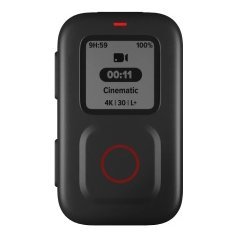
Once your core electronics are in place, consider accessories such as cameras, sun covers and power gear. Our GoPro boat mount guide and summer electronics guide explain how to expand your set-up.
Common mistakes
- Buying a device without checking what is included.
- Assuming a fish finder replaces navigation.
- Ignoring chart coverage.
- Overlooking power and mounting needs.
- Not testing before the trip.
Three sample set-ups
A pond and small-lake angler in a jon boat might choose a compact fish finder with built-in GPS, a simple transducer mount and a small battery. A family on a large lake might choose a mid-size combo unit at the console, with charts and a bow-mounted camera, giving both safety and fishing information. A coastal angler might choose a larger chartplotter with sonar and a second fish finder at the bow, along with a radio and navigation lights. Each set-up grows from the core question of what you need to know on the water. Start with your own situation, and write down the three most important things you want your electronics to do.
Think about redundancy
Backup matters when electronics fail. A handheld GPS or a phone with offline maps can serve as a spare, especially if you boat far from shore. See our sailboat and cruiser electronics guide for more on backup navigation.
Ask for advice
If you are unsure, tell us about your boat, your water and your budget through the contact page, and we will help you narrow the choices.
Frequently asked questions
Can a fish finder replace a GPS?
Not completely. Some fish finders include GPS and maps, but check chart coverage and features.
Do I need both?
Many anglers use a combo unit that does both.
Which is better for beginners?
Often a fish finder with built-in GPS, depending on the water.
Can I upgrade later?
Yes. Plan your system so that you can add units over time.
Choose the right starting point
The fish finder vs GPS question has no single answer, but your boat, water and fishing style point to one. Start with what matters most, plan for growth and install carefully. Browse fish finders, GPS units and accessories in our shop and contact us if you would like help choosing.
Related reading from Fishtrail Outfitters
- Fish Finder Chartplotter Combo: Is an All-in-One Unit Right for You?
- Marine Electronics Budget Guide: How to Spend Wisely on Your Boat Setup
- Side Imaging vs Down Imaging: Which Sonar View Do You Need?
- Garmin Marine GPS Guide: Choosing a Garmin Chartplotter or Fish Finder
- Fish Finder vs Depth Finder vs Sonar: What Is the Difference?
- Plastimo Fish Finder Guide: Compact Echo Sounders for Small Craft
Products mentioned in this guide
- Fishfinder Garmin Striker Vivid 4CV + Sonar 77/200/455/800 KHz
- Fishfinder Garmin Striker Vivid 5CV + Sonar 77/200/455/800 KHz
- Fishfinder Garmin Striker Vivid 7CV + Sonar 77/200/455/800 KHz
Further reading: U.S. Coast Guard Navigation Center · Take Me Fishing: how to get started and where to fish
Questions before you buy? Contact Fishtrail Outfitters or browse the shop.