Anyone who fishes saltwater, estuaries or tidal rivers quickly learns that understanding tides for fishing is as important as choosing the right bait. Tides raise and lower the water, change depth over flats and channels, move bait and create current that switches fish on and off. Planning around tides helps you pick the right time, the right spot and the right technique, and it keeps you safe by avoiding stranding, strong current and shallow water. This guide explains how tides work in simple terms, the stages of the tide, how current affects fish, how to use tide tables, charts, GPS and sonar together, how to fish different stages and what to watch for to stay safe.
Tides for fishing: the basics
What tides are
Tides are the rise and fall of sea level caused mainly by the gravitational pull of the moon and sun. Most coasts have two high tides and two low tides each day, though patterns vary.
Tidal range
The difference between high and low water is the range. Large ranges create strong currents and dramatic changes in depth.
Local differences
Tides differ by location, so use local tide tables and charts. Do not assume one place behaves like another.
The stages of the tide
Incoming (flood) tide
Water rises, often bringing bait and fish onto flats and into creeks. Current flows inland.
High slack
Near high tide, current slows and may stop briefly. Fish may move out or hold in place.
Outgoing (ebb) tide
Water falls and flows seaward, pulling bait out of creeks and flats. Predators often wait at channel mouths and ambush points.
Low slack
Near low tide, current slows again. Fish may be concentrated in deeper holes and channels.
How current affects fish
Current brings food
Moving water carries bait, so predators position themselves where current delivers it.
Fish use current breaks
They rest behind structure, in eddies and along edges, and dart out to feed.
Slack water can be slow
When water stops, fish may feed less actively, though some species bite well.
Speed and direction matter
Strong current needs heavier tackle and more careful boat handling.
Use tide tables and apps
Check high and low times
Know when high and low water occur and how tall the tide will be.
Look at the tidal range
Big tides move more water and bait than small tides.
Plan the trip around the tide
Arrive early to scout, fish the best stage and leave before the tide traps you.
Use charts and GPS
Read the depth carefully
Charts show depth relative to a datum, so add tide height to get actual depth. See our how to read nautical charts guide.
Mark structure and channels
Waypoints for points, channels and holes help you find fish at each stage. See our marine GPS waypoints guide.
Use tracks and routes
Plan routes that work at low water too, avoiding shallow bars. See our plan a fishing trip with GPS guide.
Use GPS speed to read current
Compare speed over ground to speed through water to estimate current.
Use sonar with tides
Find holes and ledges
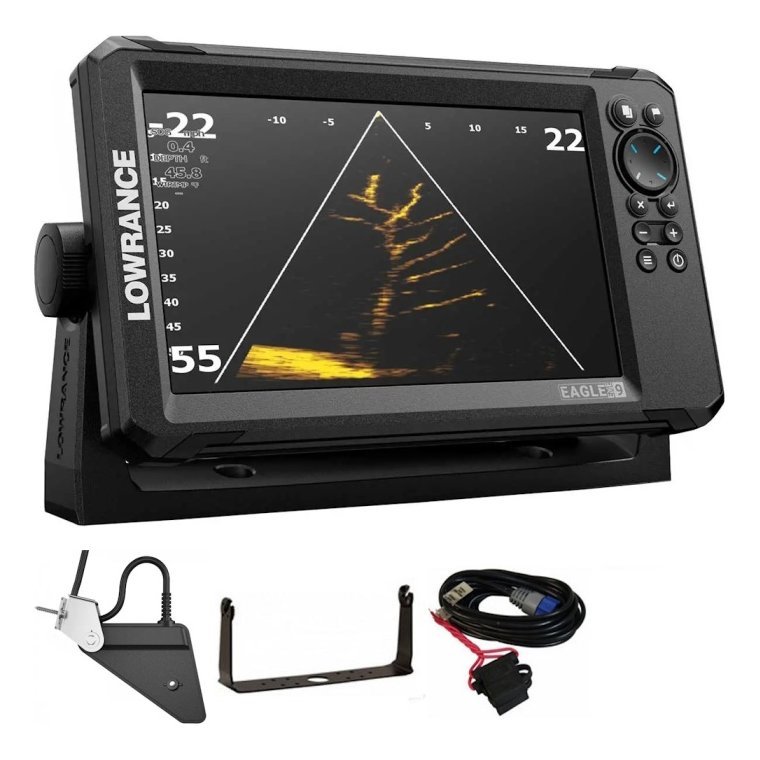
Sonar shows holes and edges where fish gather at low water. See our fishing drop offs guide.
Spot bait and predators
Look for bait moving with the tide and predators below it. See our baitfish guide.
Watch depth changes
Sonar shows real depth, which is essential on flats and bars.
Fish each stage
Incoming tide
Fish edges, creek mouths and flats as water rises.
High tide
Fish flooded cover and shorelines.
Outgoing tide
Fish channel mouths and drop-offs where bait is pulled out.
Low tide
Fish deeper holes and channels.
Safety around tides
Do not get stranded
Know how much water you need to float and return, and watch the tide.
Respect strong current
Avoid anchoring in strong current. See our GPS anchor alarm guide.
Watch for changing conditions
Wind against tide creates steep waves, and fog can form quickly. See our boating in fog guide and boat navigation safety basics.
Carry communication and backups
Take a VHF radio and a compass. See our VHF radio basics.
Common mistakes
- Ignoring the tide table.
- Forgetting to add tide height to chart depth.
- Anchoring in strong current.
- Leaving too late.
- Not recording what worked.
A tidal fishing day, step by step
Imagine a morning when the tide rises from low at sunrise. You check the table the night before, note the height and plan to arrive an hour before the tide turns. At the ramp, you test your GPS and fish finder, confirm the chart datum and add the predicted tide height to the depths shown. You head to a channel mouth with a drop-off, set up where current breaks around a point and begin fishing as the water begins to move. Bait appears on the screen, followed by predators below. As the tide floods, you follow the water up into a creek and fish structure that is now covered. By high slack, you head to a deeper area, and as the tide falls, you return along a planned route that keeps you in safe water. Back at the dock, you record your results in your journal.
Build a personal tide log
Over a season, record the tide stage, the height, the wind and your results at each spot. Patterns emerge, such as a particular point fishing best on a falling tide, and these records become your own tide guide. Our fishing journal guide shows how to keep them.
Learn each spot’s tide personality
Every spot reacts differently. One point may fish on the incoming tide, and another only on the outgoing. Mark waypoints with notes about the best stage so you can arrive at the right time.
Moon, wind and pressure
Tide size depends on the moon phase, with larger tides around new and full moons, but wind and pressure also affect water height and current. Strong onshore wind can push more water into an estuary and delay the ebb, and high pressure may lower water levels slightly. Include these factors in your plan, and treat tide tables as a guide rather than a guarantee. Watch the water, trust your gear and be ready to adjust.
Frequently asked questions
What is the best tide to fish?
It depends on species and place. Moving water often fishes well.
How do I know if the tide is rising?
Check the tide table, and watch current and water marks.
Do tides matter on lakes?
Lakes have no tides, though water levels and wind-driven currents matter. Rivers near the sea can be tidal.
Does sonar show tides?
It shows depth, which changes with tide.
Let the tide work for you
Understanding tides for fishing helps you plan the trip, choose spots and stay safe. Combine tide tables with charts, GPS and sonar, and record what works. Browse GPS and fish finders in our shop and contact us for help choosing equipment.
Related reading from Fishtrail Outfitters
- Thermocline Fish Finder Guide: How to Spot the Thermocline and Catch Fish
- Fishing Drop Offs and Ledges With Sonar: Find Fish on the Edge
- Winter Fishing With Sonar: Find Slow, Deep Fish in Cold Water
- River Fishing With a Fish Finder and GPS: Read Current, Holes and Structure
Products mentioned in this guide
Further reading: Take Me Fishing: how to get started and where to fish
Questions before you buy? Contact Fishtrail Outfitters or browse the shop.