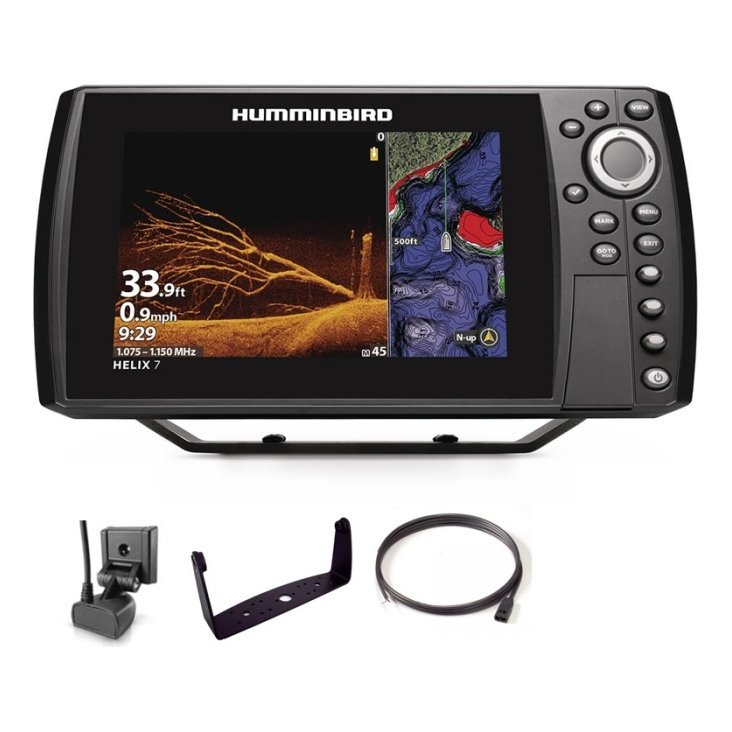
Autumn is a season of movement, and fall fishing with electronics gives you an edge because bait, structure and water temperature all change from week to week. Baitfish gather and move toward creeks, flats and channels, predators follow them, and the pattern that worked a month ago may be gone. Sonar shows you where bait is holding, GPS lets you mark and revisit productive spots, and a camera can record what you learn. This guide explains how fall patterns work, how to use sonar and side imaging to find bait, how to adjust settings for cooler, clearer water, how to build a waypoint routine, how to use maps and temperature data, how to stay safe in shorter, colder days, and how to review each trip so you learn faster.

How fall fishing with electronics fits changing patterns
As days shorten and water cools, fish respond. Baitfish move shallow or into creeks, predators feed heavily before winter, and schools may relocate quickly. Weedlines die back, changing cover, and temperature differences between sun-warmed shallows and cold deep water become important. Fall can be exciting but also confusing, since patterns shift more rapidly than in summer.
Follow the bait
The most reliable rule in fall is to find the bait. Where baitfish gather, predators are rarely far away.
Watch temperature trends
A few degrees can matter. Note water temperature and how it changes through the day and from spot to spot.
Find bait with sonar
On your fish finder, look for clouds, balls and arches near structure, in creek mouths and along edges. Increase sensitivity until small marks appear, but not so high that the screen fills with noise. Switch between views, and use side imaging or down imaging where available to scan broad areas. See our fish finder basics guide and fish finder settings guide for help with sensitivity and range.
Adjust for clearer, cooler water
Water often clears in fall, which can improve imaging but also makes fish warier. Lower noise and keep your approach quiet.
Read the depth of the bait
Note the depth where bait is holding and match your lure presentation to that depth.
Use GPS and waypoints
Mark every productive spot, bait concentration and structure edge. Add notes about depth, temperature, wind and what worked. Return to these points in later trips, and watch how the pattern shifts. A set of waypoints from September and October becomes a map of the season. Our marine GPS waypoints guide and fishing journal guide explain how to label and organise marks.
Create a routine
Check your top three spots in order, then explore nearby alternatives. Fall bites often move a short distance rather than far.
Use tracks to avoid wasted time
Record your track, so you can see where you have already searched.
Use maps and temperature data
Contour maps show channels, humps and creek arms where fish move in fall. Surface temperature readings from your electronics or a separate probe show where warm and cool water meet. Wind pushes bait toward windward shores, so combine maps with weather. See our GPS vs fish finder guide for how to combine tools.
Watch for current and wind
Current and wind create edges that concentrate bait. Position yourself to cover them.
Adapt your gear for cooler weather
Cold weather affects batteries and screens. Keep spare batteries warm, protect displays from frost and carry gloves that still allow button use. Check wiring and connectors, as damp cold can cause problems, and review our boat wiring basics guide. Use cameras carefully, since cold reduces battery life, as explained in our GoPro battery tips.
Dress for the conditions
Layers, waterproofs and a life jacket matter more as water cools. Cold water shock is serious, and our solo fishing safety guide explains how to stay safe.
Plan for shorter days
Daylight shrinks in fall, so plan your trip around sunrise and sunset. Check navigation lights, carry a headlamp and avoid returning in the dark unless you are prepared. See our boat navigation lights guide. Mark your return route on GPS, and keep a charged phone and power bank.
Watch fog and weather
Autumn mornings can bring fog, and weather changes quickly. Use GPS and radar if you have them, and do not rely on a single device.
Record and review
Take photos and short clips of structure, bait and weather, and review them with your waypoints at home. Our guide to editing fishing videos and photograph your catch guide explain how to create useful records. Look for patterns such as the time of day when bait appears and the temperature range where fish feed.
A simple fall routine
- Check weather and water temperature before leaving.
- Start at a known productive waypoint.
- Scan nearby edges with sonar for bait.
- Mark new finds with notes.
- Review the trip and update your plan.
Common mistakes
- Ignoring bait on the screen.
- Using summer settings in autumn water.
- Failing to mark spots.
- Forgetting cold-weather safety.
- Staying out too late.
Example: a creek-mouth morning
Suppose you arrive at a creek mouth where you caught fish last year. You start with your saved waypoint, but the sonar shows no bait. Instead of waiting, you scan the nearby channel edge and find a dense ball of baitfish at a depth of fifteen feet, with larger marks beneath. You mark the spot, note the temperature and fish it carefully. An hour later the bait moves, and the track on your screen shows where it went. You follow, mark the new location and catch more fish. That evening you add the details to your journal. The next trip starts with a better plan, which is how electronics turn a changing season into a learning tool.
Use two screens if you have them
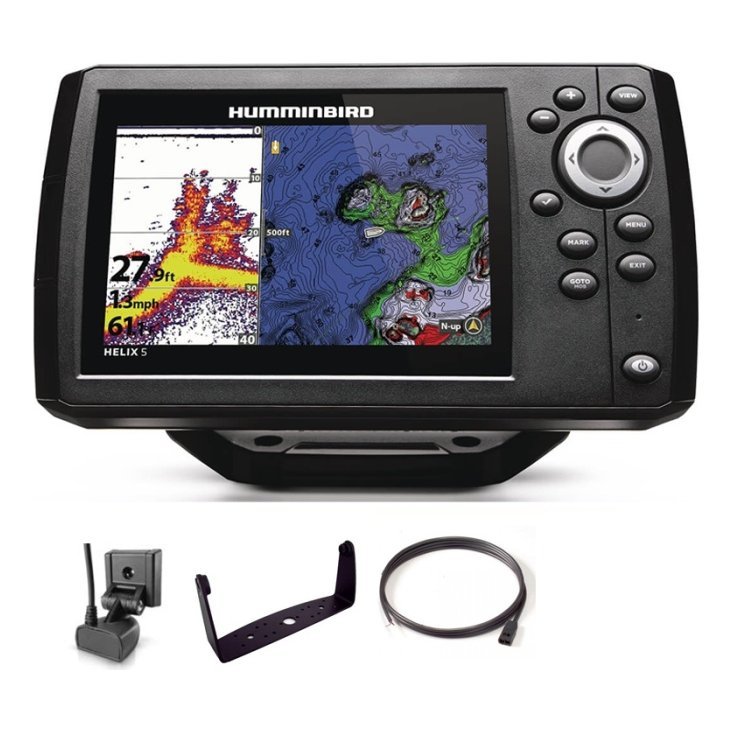
Run sonar on one view and a map on another, so you can see bait and location at the same time. This helps you stay on the school as it moves.
Share what you learn
Compare notes with friends or a club, while respecting sensitive spots. A shared picture of the lake or coast helps everyone fish better and more responsibly.
Frequently asked questions
Where do fish go in fall?
Often toward shallower bait-rich areas, creeks and edges, but it varies by water.
Should I change sonar settings in fall?
You may need to adjust sensitivity and range for clearer water and shifting bait.
Is GPS useful in fog?
Yes, but combine it with other navigation methods and take care.
How often should I update my waypoints?
After each trip, adding notes and removing marks that no longer help.
Make the most of the season
Fall fishing with electronics rewards anglers who find the bait, mark their discoveries and adapt quickly. Use sonar to read the water, GPS to track the pattern and safe habits to enjoy cooler days. Browse fish finders, GPS units and accessories in our shop and contact us if you would like help choosing the right set-up.
Related reading from Fishtrail Outfitters
- Offshore Fishing Electronics Guide: Sonar, GPS and Safety Gear for Bigger Water
- Tournament Fishing Electronics: Prepare Your Sonar, GPS and Power
- Save Fuel and Time on the Water with GPS and Sonar
- Fish Finder Chartplotter Combo: Is an All-in-One Unit Right for You?
Products mentioned in this guide
- Fishfinder Garmin Striker Vivid 4CV + Sonar 77/200/455/800 KHz
- Fishfinder Garmin Striker Vivid 5CV + Sonar 77/200/455/800 KHz
- Fishfinder Garmin Striker Vivid 7CV + Sonar 77/200/455/800 KHz
Further reading: U.S. Coast Guard Navigation Center · U.S. Coast Guard boating safety resources
Questions before you buy? Contact Fishtrail Outfitters or browse the shop.