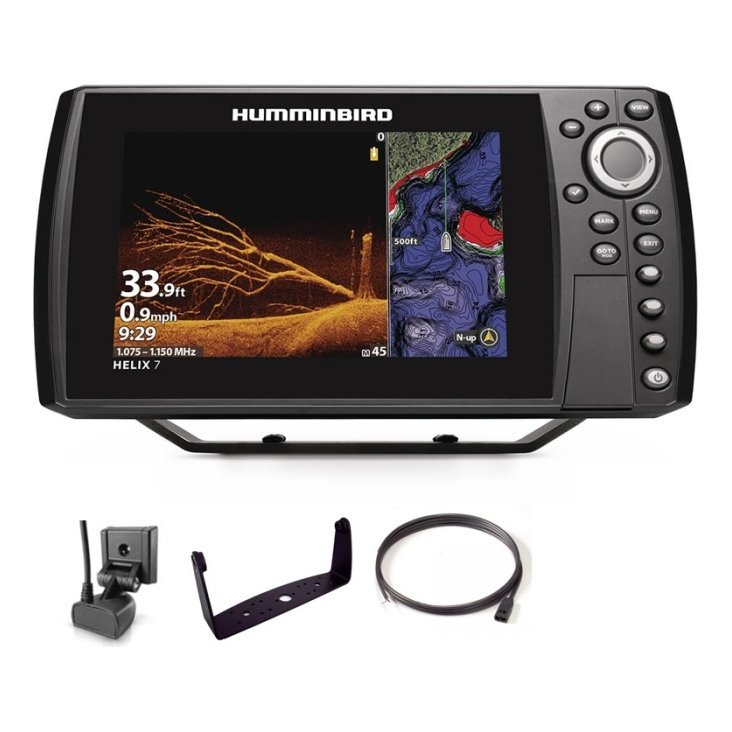
Cold weather does not end fishing; it simply changes it, and winter fishing with sonar is the tool that makes the change manageable. In cold water, fish slow down, feed less often and gather in deeper holes, channel edges and areas with steady temperature. They can be tightly packed in a few places and entirely absent from others, so finding them is half the battle. Sonar shows you the holes, the bait and the fish themselves, and GPS lets you return to the spot. This guide explains how winter changes fish behaviour, where to look, how to set up your fish finder for cold conditions, how to present lures patiently and how to stay safe in cold weather.

Winter fishing with sonar: how cold water changes fish behaviour
Temperature drives metabolism.
Slower and less active
Fish eat less and move less in cold water, so lures must be presented slowly and close to them. They may not chase.
Schooling and holding
Bait and predators gather in a few reliable areas, often deeper, stable water. A single productive spot can hold many fish.
Smaller windows
Feeding windows are shorter and often occur in the warmest part of the day. Patience pays.
Where to look in winter
Use your chart and sonar together.
Deep holes and basins
Deep, stable water holds fish when shallows turn cold. Look for holes near channels and flats.
Channel edges and creek bends
These give fish quick access to depth. See our fishing drop offs guide.
Points and humps next to deep water
Fish use them as stepping stones between depths.
Warmer pockets
Sheltered coves, sun-warmed banks and areas near inflows can be a degree or two warmer and attract bait. If your unit shows temperature, check for small differences.
Reading winter sonar
Look for bait
Bait balls and clouds tell you where predators may be. Read our baitfish on a fish finder guide.
Spot suspended fish
In winter, fish often suspend above the bottom near structure. Marks close together may mean a school.
Zoom and slow down
Slow your boat to a crawl and use zoom to see fish tight to the bottom. Our how to read a fish finder guide covers the basics.
Settings for cold conditions
Raise sensitivity a little
Cold, clear water may need small changes in sensitivity. Adjust until marks are visible without clutter. See our fish finder settings guide.
Choose the right frequency
Use a frequency that shows fish near the bottom clearly. See our frequency guide.
Keep the screen readable
Cold affects screens and batteries, so keep devices warm and brightness comfortable.
Presenting lures in winter
Go slow
Use slow retrieves and pauses. Fish may follow a lure without hitting for a moment.
Vertical presentations
Drop jigs, spoons and live bait directly to fish you see on sonar. Our vertical jigging with sonar guide explains how.
Stay on the spot
When you find a school, stay and fish it patiently. Move slightly rather than leaving.
Match the forage
Use small, subtle lures that match the bait.
Staying safe in cold weather
Cold increases risk.
Dress in layers and wear a life jacket
Hypothermia can set in fast after a fall into cold water. A properly fitted life jacket is essential. See our solo fishing safety guide.
Tell someone your plan
Share your route and return time.
Carry spare clothing and a charged phone
Keep them dry in a waterproof bag.
Watch the weather
Wind and falling temperatures can change conditions quickly.
Caring for electronics in the cold
Keep batteries warm
Cold reduces battery capacity. Keep spares in an inside pocket. See our GoPro battery tips for camera care that applies to all electronics.
Protect from ice
Wipe away ice and moisture, and allow equipment to warm gradually.
Store properly
Remove and store electronics indoors when you can.
Common mistakes
- Fishing too fast.
- Leaving a productive hole too soon.
- Ignoring bait.
- Overlooking safety.
- Letting batteries freeze.
Planning a winter trip
Winter trips need more planning than summer ones. Check the forecast and the water temperature trend, and pick a day with stable weather. Choose two or three deep areas from your chart, and plan a route between them so you can check each quickly. Pack extra layers, hot drinks and a spare battery for the electronics. At the ramp, test the unit before you launch, because cold can reveal weak connections. On the water, work slowly, mark every promising spot and keep notes on temperature, depth and what the fish responded to. These notes become a winter map for future trips.
Respect the ice and the shoreline
Shore ice and slippery ramps are hazards, so move carefully when launching and loading. Keep the boat’s drain plug in and check it twice, and avoid thin ice near shorelines.
Be flexible
If you find no fish at your first spot, move on quickly to another. Winter fish can be absent from large areas and abundant in one small hole, so efficient searching with sonar is the best way to find them.
Species notes for cold water
Different species behave differently in winter, and sonar helps you tell them apart in practice. Crappie and other panfish often suspend in schools over deep brush or timber, and you can see them as tight clusters of marks at a consistent depth. Bass may sit tight to deep structure or bluff walls, appearing as scattered marks near the bottom. Walleye and similar species may gather along deeper edges and humps. Check local conditions and regulations for the species you fish, and use your sonar to confirm where each one is rather than relying on habit.
Match your electronics to the task
A compact unit with CHIRP sonar and a clear screen is enough for most winter fishing. Imaging adds value when you fish timber and brush. A fish finder with GPS lets you return to the exact hole when the bite is tight. Our fish finder with GPS guide and CHIRP fish finder guide explain the options.
Be patient and keep records
Winter fishing rewards observation. Write down water temperature, depth, the way fish appeared on screen and what you used to catch them. In a few trips you will see which holes hold fish through the season and which are only good on specific days. That record is worth more than any gadget.
Winter boat handling and maintenance
Cold weather is hard on boats as well as people. Check that bilge pumps work, that batteries are fully charged and that any water in the boat has been drained before you leave. Move slowly at the ramp, where spray can freeze, and keep decks clear of ice and gear. After the trip, rinse and dry equipment, drain water from lines and store electronics indoors. A few minutes of care after each cold trip prevents frozen fittings, corroded connectors and unpleasant surprises next time.
Frequently asked questions
Can I use a fish finder in winter?
Yes, sonar works in cold water, and it helps find fish that are less active.
How deep do fish go in winter?
It varies by lake and species, but many hold in deeper, stable water.
Should I fish faster or slower?
Slower, with patient presentations.
What about ice?
For ice fishing, see our ice fishing fish finder guide.
Embrace the cold
Winter fishing sonar helps you find the few places where fish gather and fish them with patience. Use your chart, read the bait, slow down and stay safe. Browse fish finders and GPS in our shop, and contact us if you would like help choosing equipment for cold-weather fishing.
Related reading from Fishtrail Outfitters
- Thermocline Fish Finder Guide: How to Spot the Thermocline and Catch Fish
- Summer Bass Fishing With Sonar: Find Fish in the Heat
- Furuno Fish Finder Guide: What to Know Before You Buy a Furuno FCV Unit
- Side Imaging vs Down Imaging: Which Sonar View Do You Need?
Products mentioned in this guide
- Fishfinder Garmin Striker Vivid 4CV + Sonar 77/200/455/800 KHz
- Fishfinder Garmin Striker Vivid 5CV + Sonar 77/200/455/800 KHz
- Fishfinder Garmin Striker Vivid 7CV + Sonar 77/200/455/800 KHz
Further reading: Take Me Fishing: how to get started and where to fish
Questions before you buy? Contact Fishtrail Outfitters or browse the shop.