A good marine electronics budget guide begins with a surprise for many buyers: the display is only part of the cost. A fish finder needs a transducer, a mount, power and wiring. A chartplotter needs charts. A camera needs mounts, batteries and cards. When you budget only for the headline item, extras arrive as unwelcome surprises and the project stalls. This guide shows how to plan a realistic budget by listing everything a working system needs, deciding what to buy first, choosing where to spend more and where to save, and leaving room for growth. It avoids quoting specific prices, because they change, and focuses on a method you can apply to any amount of money.

Marine electronics budget guide: think in systems, not single items
The most useful change you can make is to budget for a system.
What a fish finder system includes
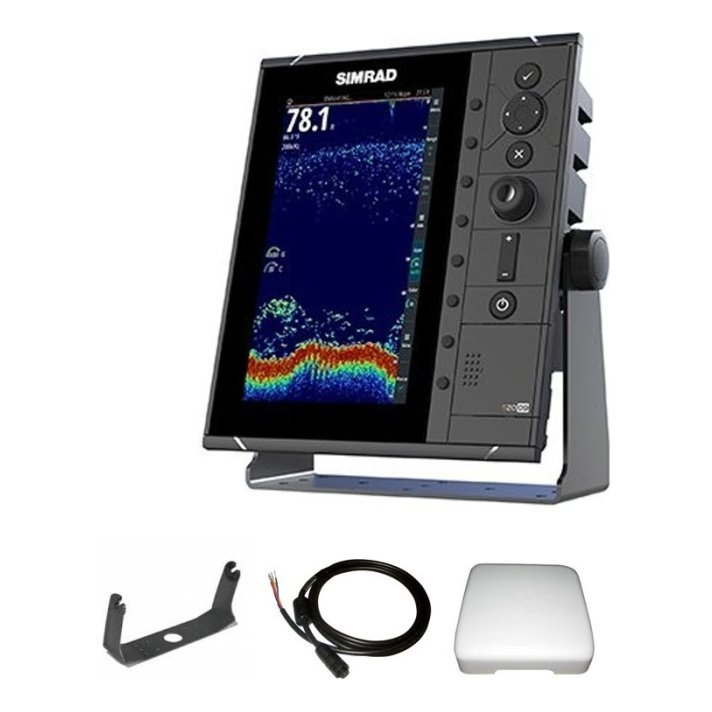
A working fish finder setup includes the display, a transducer, a mount for each, power wiring with a fuse, a battery and often a few small parts such as connectors and cable ties. Our marine electronics setup guide walks through each piece.
What a GPS system includes
A GPS or chartplotter needs the unit, mounts, power, charts if needed and, if you want, a backup device. See our chartplotter buying guide.
What a camera system includes
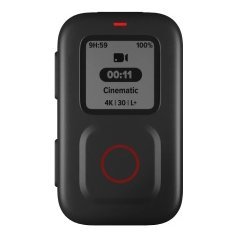
An action camera setup includes the camera, mounts, a floating handle, batteries, memory cards and cleaning gear. Our GoPro accessories guide lists the essentials.
Set a total budget first
Start with the whole amount you are willing to spend.
Decide your ceiling
Choose a total that you are comfortable with, including the extras. A firm ceiling prevents creeping costs.
Divide it into categories
Split the budget between the core unit, the transducer, mounting and wiring, power, safety gear and extras. A sensible rule is to avoid putting everything into the display.
Keep a small reserve
Set aside a small amount for unexpected parts, such as a longer cable or a different bracket. It is cheaper to plan for these than to be caught out.
Decide what to buy first
Order matters when money is limited.
Safety and power first
A reliable battery, a fuse and basic safety gear matter more than a larger screen. See our boat navigation safety basics.
A fish finder second
For most anglers, a fish finder gives the biggest improvement per dollar. Our best fish finder for beginners guide helps you choose.
GPS third
Add GPS when you want to save spots or navigate larger water. Many fish finders include it. Read about a fish finder with GPS.
Cameras and extras last
Cameras and accessories are fun, and they are easy to add later.
Where to spend more
Some parts reward investment.
The transducer and its mounting
A good transducer correctly mounted improves your picture more than almost any other change. Read our transducer guide.
Power and wiring
Clean, fused power avoids a lot of trouble. Good connectors and a quality battery are worth paying for.
A readable screen
You will look at the screen every trip, so choose one you can read in sunlight.

Where you can save
Not every feature earns its cost.
Advanced imaging you will not use
If you do not yet know how to read imaging, start with 2D CHIRP. See our imaging guide.
Premium charts for water you rarely visit
Detailed charts are valuable on big water but unnecessary for a small pond.
Networking before you have devices to network
Add networking later when you own more than one unit.
Budget examples by boat type
These examples describe priorities, not prices.
Kayak or small boat
Prioritise a compact fish finder, a small battery, a portable or simple mount and safety gear. See our kayak guide.
Jon boat or pontoon
Add a mid-size screen, GPS and a transom transducer. Our guides to jon boats and pontoons give details.
Bass boat or larger fishing boat
Add larger screens, imaging, networking and a lithium battery. See our bass boat guide.
Lower the cost without cutting corners
Several habits save money.
- Compare total packages rather than headline prices.
- Buy only the features you will use this season.
- Install gear yourself where you can safely do so.
- Maintain your equipment so it lasts longer.
- Buy quality mounts and cables once rather than cheap ones repeatedly.
Our marine electronics maintenance guide helps extend the life of your gear.
Planning for the future
Think about growth.
Leave room to expand
Choose a unit and a console layout that can accept a second screen or additional sensors later.
Keep your old gear as a backup
An older display makes a handy spare.
Revisit your budget each season
Needs change. Review your setup each year and decide what to add.
A step-by-step budgeting worksheet
Work through this short routine on paper or in a note on your phone. First, write your total ceiling. Second, list every item your chosen setup needs: unit, transducer, mount, battery, fuse, wiring, charts, safety gear and any extras. Third, look up each item on its product page and write its price next to it. Fourth, add the numbers and compare the total with your ceiling. Fifth, if you are over, move the least important items to a later phase rather than shrinking the important ones. Sixth, set a date to revisit the plan. This simple routine turns vague hopes into a concrete shopping list.
Review the total honestly
It is easy to leave out cables, brackets and small hardware. Add a margin to cover them, and check that each item is compatible with the rest.
Phase your purchases
There is nothing wrong with buying in stages. A phased plan lets you use each purchase right away, learn from it and make smarter choices for the next stage.
Common budgeting mistakes
The most frequent mistake is spending nearly everything on the display and leaving nothing for the transducer, mount and power. Another is buying features for a boat you do not own yet, such as networking for a single-screen kayak. A third is ignoring ongoing costs, such as charts, replacement batteries and fuses. A fourth is skipping safety gear because it is not exciting. Finally, many buyers forget to allow for the time and tools an installation needs. If you avoid these five traps, your budget will stretch further and your system will work better from the first trip.
Making your budget last for years
Good gear lasts if you care for it. Rinse after salt use, protect screens, store batteries correctly and keep software updated. Buy quality connectors and cables once, because poor ones cause failures that look like expensive faults. When you upgrade, keep the old display as a backup or move it to a second boat. A little attention to maintenance, covered in our maintenance guide, is the cheapest way to stretch every dollar you spend on electronics.
Frequently asked questions
How much should I spend on a first fish finder?
Spend what suits your boat and water, and remember to include the transducer, mount and power in your plan.
Is it better to buy a cheaper unit and upgrade later?
Often yes, if the first unit meets your needs and teaches you what you want next.
Should I buy a bundle?
A bundle can save effort, but check that everything is what you need.
Where can I get help planning?
Contact us with your boat details and budget and we will suggest sensible options.
Plan your spending, then enjoy the water
A thoughtful marine electronics budget guide helps you spend on what matters, avoid surprises and build a system that works. Start with safety and power, add the fish finder and GPS, and grow from there. Browse the range in our shop and ask us if you want help planning your setup.
Related reading from Fishtrail Outfitters
- Fish Finder vs GPS Marine: Which Category Do You Need First?
- Fish Finder for a Jon Boat: A Simple, Affordable and Portable Setup
- Kayak Fish Finder Guide: How to Choose and Mount One on a Kayak
- Marine Electronics Setup Guide: Plan a Complete Boat Electronics System
Products mentioned in this guide
- Fishfinder Furuno FCV 600
- Fishfinder Furuno FCV 800
- Lowrance Eagle 5 CHIRP Splitshot Gps Fishfinder + 455/800 KHz Transducer
Further reading: U.S. Coast Guard Navigation Center · Take Me Fishing: how to get started and where to fish
Questions before you buy? Contact Fishtrail Outfitters or browse the shop.