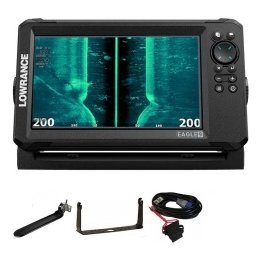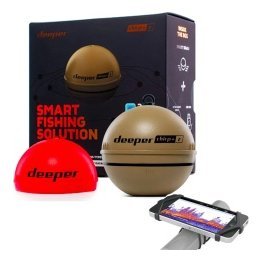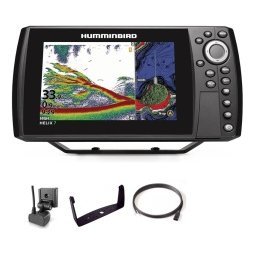
A Plastimo fish finder is a straightforward choice for anglers and boaters who want a compact, uncomplicated sonar without the cost and complexity of a large multifunction display. Plastimo is a recognised marine brand, and the fish finders in its range, including models sold under names such as Echofish and Echotest, are generally aimed at small boats, tenders and recreational craft where simple depth and fish information is enough. Because models and specifications vary, this guide stays general. It explains who a compact fish finder suits, what to check on a product page, how to install and power one, how to read what it shows and how it compares with larger units, so you can decide whether a Plastimo fish finder fits your boat and how you fish.

Who a Plastimo fish finder suits
Small boats and tenders
Compact sonar suits boats where console space and power are limited. A small unit can sit on a dash or a bracket without taking over the boat.
Boaters who want depth and basic fish information
Many boaters mainly want to know the depth and see roughly what lies below. A simple fish finder does that well. See our fish finder vs depth finder guide for how the terms differ.
Anglers on a sensible budget
If you do not need GPS, imaging or large screens, a compact fish finder can be a cost-effective way to add sonar. Our marine electronics budget guide explains how to plan spending.
What the Echofish and Echotest names mean for you
Model names are labels, not promises
Brands use model names to separate products, and each model has its own screen, sonar type and transducer. Do not assume features from the name alone.
Read the product page
Check the display type, the sonar frequencies, the transducer supplied and any mounting hardware. If anything is unclear, contact us with the model or SKU. Our SKU and part number guide explains why SKUs help.
Compare within the range
Different models in a brand’s range offer different screens and features. Compare them side by side.
Features to check
Screen and readability
Look at screen size, resolution and sunlight readability. A small screen is fine if it is bright and clear.
Sonar type and frequency
Check whether the unit offers dual-frequency or CHIRP sonar. See our fish finder frequency guide and CHIRP guide.
Transducer and mounting
Confirm the transducer type and how it mounts, such as transom or portable. Our transducer guide explains the options.
Power
Check the voltage and the current draw, and plan a suitable battery. See our fish finder battery guide.
Waterproofing and durability
Marine units are built for spray, but check the rating and protect connectors.
Install a compact fish finder
Choose the position
Mount the display where you can see it easily and keep it out of direct spray. See our mount guide.
Mount the transducer
Mount it in clean water, away from the propeller and hull features. Our installation guide explains each step.
Wire it safely
Use a fused supply and secure connections. See our boat wiring basics guide.
Test on the water
Run at idle and at speed and check the depth reading. Adjust the transducer if needed.
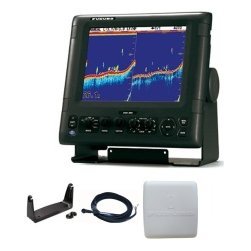
Read the display
Depth first
The depth reading is the most useful piece of information for navigation and anchoring.
Bottom and structure
A thick, strong line suggests a hard bottom and a thin line a soft one. See our how to read a fish finder guide.
Fish marks
Fish may appear as arches or icons. Treat icons as a guide.
Adjust sensitivity
If the screen looks noisy or empty, adjust sensitivity. See our fish finder settings guide.
Compare with larger fish finders
What you gain with bigger units
Bigger units add larger screens, GPS, imaging and charts. They suit anglers who want to find structure and mark spots. See our fish finder with GPS guide.
What you gain with a compact unit
Simplicity, low power draw, small size and lower cost.
Which should you choose
If you want depth and a basic picture for a small boat, a compact unit is enough. If you want to mark spots and fish structure seriously, consider a unit with GPS.
Care and maintenance
Rinse after salt use
Rinse the display, transducer and connectors with fresh water. See our maintenance guide.
Protect from heat and sun
Store the display out of direct sun.
Check cables
Look for chafing and loose connections.
Common mistakes
- Buying without checking the transducer type.
- Ignoring mounting position.
- Skipping a fused power supply.
- Expecting GPS or imaging from a basic model.
- Not testing before relying on it.
Choosing between a basic and a more capable fish finder
Ask yourself what you will actually use. If your main needs are knowing depth in a harbour, finding the edge of a channel or checking that the bottom is clear before anchoring, a compact unit does everything you need. If you want to find fish on structure, mark waypoints and navigate to them later, you may soon wish for GPS and a larger screen. There is no harm in starting small, but think about whether you will outgrow it within a season. Reading our beginner fish finder guide and marine electronics for small boats guide can help you judge.
Plan for the whole package
Even a compact fish finder needs a transducer, a mount, a battery and a fuse. Check what the listing includes and add the rest to your budget. Our what is in the box guide explains how to read product descriptions.
Ask us when in doubt
If you cannot tell from the product page whether a model suits your boat, send us the model name or SKU and a few details about the boat and water. We would rather help you choose well than have you buy a unit that does not fit.
Practical tips for small-craft sonar
Keep the transducer clean and fully submerged, and avoid running over weed beds with a portable mount. Check that the display does not overheat in direct sun, and cover it when the boat is stored. Carry a spare fuse and a small tool kit. Use your sonar alongside normal seamanship, such as watching the water ahead and checking charts, because sonar shows what is directly under the boat but not what lies ahead. A compact unit used sensibly adds a useful layer of safety and information to small-boat trips.
Frequently asked questions
Is a Plastimo fish finder good for small boats?
Compact units are generally designed for small craft, but check the specific model.
Does it have GPS?
It depends on the model, so read the product page.
Can I use it in saltwater?
Check the details and rinse after use.
Is it easy to install?
Compact units are usually straightforward. Follow the manual.
Keep it simple and reliable
A Plastimo fish finder can give small-boat owners reliable depth and basic fish information without extra complexity. Check the model, the transducer and the power requirements, install it carefully and learn the screen. Browse Plastimo units in our shop and contact us for help choosing a model.
Related reading from Fishtrail Outfitters
- Kayak Fish Finder Guide: How to Choose and Mount One on a Kayak
- Marine Electronics for Small Boats: What You Need and What You Don’t
- Marine Electronics Budget Guide: How to Spend Wisely on Your Boat Setup
- Garmin Striker Vivid Fish Finder Guide: Bright Screens and Simple Sonar
Products mentioned in this guide
- Plastimo Echotest II Fishfinder
- Fishfinder Plastimo Echofish FD86A
- Fishfinder Garmin Striker Vivid 4CV + Sonar 77/200/455/800 KHz
Further reading: Take Me Fishing: how to get started and where to fish
Questions before you buy? Contact Fishtrail Outfitters or browse the shop.