Boat navigation lights do one job: they tell other boaters that you are there, which way you are heading and what kind of vessel you are. After dark, in fog or in poor visibility, they are the primary way boats see one another, and failing to display the correct lights is both dangerous and often illegal. The rules differ by country, boat size and water body, so this guide covers general principles rather than legal detail: what the common lights are, what red, green and white mean, how anchor lights work, how to check your lights, how to avoid blinding yourself, how to combine lights with GPS and sonar at night, and how to build safe night boating habits. Always check the regulations for your area.

What boat navigation lights do
Show your presence
Lights make your boat visible from a distance and in poor visibility.
Show your direction
Different colours and positions let other boaters work out which way you are going and whether you are crossing their path.
Show your status
An anchor light shows you are stopped, and other lights show whether you are under power or sail. Our boat navigation safety basics explains how this fits into overall safety.
The common light types
Red and green sidelights
A red light shows on the port (left) side and a green light on the starboard (right) side. They shine forward and to the side, and together they form the bow lights.
The white stern light
A white light shines to the rear, so boats behind you can see you.
The masthead or all-round white light
Depending on the boat, a white light visible from all directions or from ahead may be required. Small boats often use a single all-round white light plus sidelights.
The anchor light
An all-round white light shows that the boat is anchored. Use it whenever you anchor at night where required. See our GPS anchor alarm guide.
Reading other boats’ lights
Red and green ahead
If you see both red and green, the boat is coming toward you. Take early action.
Only red or only green
If you see only red, you are looking at the boat’s port side, and only green means the starboard side. Judge whether you are on a crossing course.
White only
A single white light may be a stern light of a boat moving away, or an anchored boat. Judge by movement.
Be cautious
Lights can be hard to interpret against shore lights. Slow down and give a wide berth.
Check your lights
Test before you leave
Switch each light on and check that it works. Replace bulbs and check connections.
Carry spares
Keep spare bulbs or a spare portable light, and a flashlight.
Keep lenses clean
Salt and dirt dim lights. Wipe them clean. See our marine electronics maintenance guide.
Check wiring
Corroded connectors cause flickering. See our boat wiring basics guide.

Night boating habits
Slow down
Reduce speed so that you can react. Many accidents happen because boats travel too fast to avoid hazards.
Use a lookout
Assign someone to watch for lights, buoys and obstacles.
Protect your night vision
Dim screens and use red or low-intensity lights in the cockpit. See our night fishing with electronics guide.
Avoid glare
Do not shine bright lights at other boats.
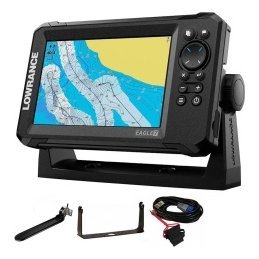
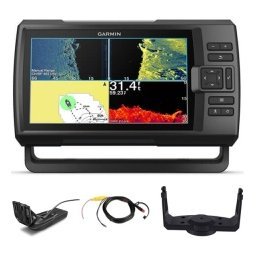
Combine lights with electronics
Use GPS and charts
A chartplotter shows your position and the shape of the shore. See our how to read nautical charts guide.
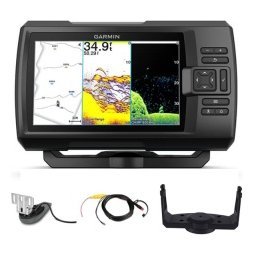
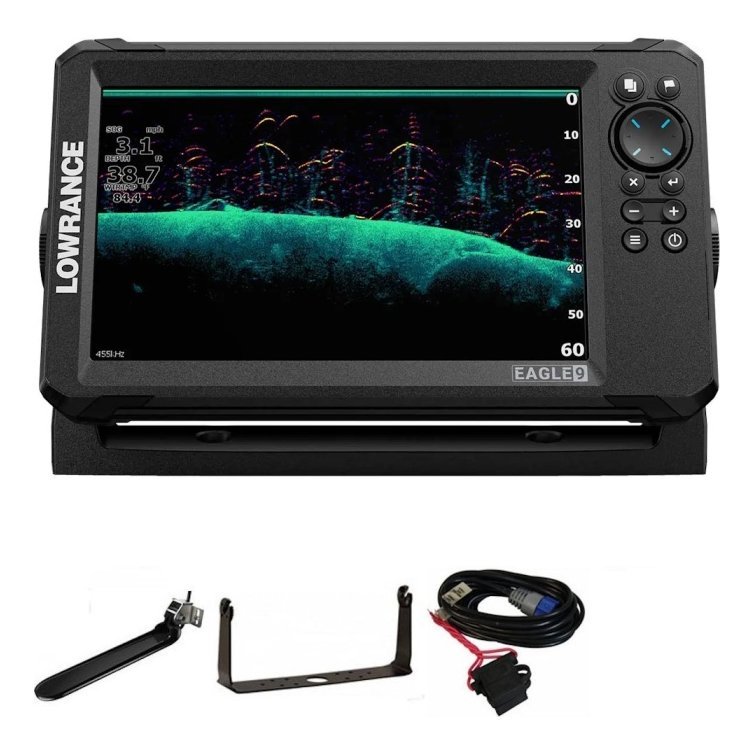
Use sonar for depth
Sonar helps you avoid shallow water. See our fish finder with GPS guide.
Set alarms
Use shallow-water and off-course alarms.
Know the limits
GPS does not show unlit boats, floating debris or swimmers.
Lights and fishing
Lights can attract bait
Lights over the water may attract bait and predators. Check local rules before using fishing lights.
Do not confuse other boaters
Fishing lights should not mask navigation lights, and should not mislead others.
Keep navigation lights on while anchored
Display an anchor light where required.
Safety gear at night
Wear a life jacket
A life jacket with a light or reflective strips helps rescuers.
Carry a spotlight and flashlight
For finding markers and signalling.
Carry a whistle and VHF
See our VHF radio basics guide.
Common mistakes
- Failing to check lights before leaving.
- Anchoring with no light.
- Running too fast at night.
- Shining bright lights into other boaters’ eyes.
- Relying only on GPS.
A pre-dusk light check routine
Before the sun sets, run through a short routine. Switch on the bow lights and walk around the boat to confirm that red and green are showing on the correct sides. Switch on the stern or all-round light and check it from a distance. Check the anchor light. Test the spotlight and flashlight. Confirm that the battery has enough charge to run lights, electronics and any other loads through the night. Check that the horn or whistle works. Finally, dim your electronics and make sure the cockpit is organised so that you can find items without bright light. This routine takes five minutes and prevents most night problems.
Practise in a safe place
If you rarely boat at night, practise on a calm evening near the ramp. Notice how distances look different, how reflections on the water can mislead and how long it takes your eyes to adjust. Familiarity makes night trips less stressful.
Remember that rules differ
Light requirements depend on vessel size, type and location. Look up the rules for your area, and when in doubt, carry additional lighting. A little extra visibility is cheap insurance.
Weather and visibility
Rain, spray and haze reduce how far lights can be seen, so slow down more than you think necessary. If visibility becomes poor, stop in a safe place, anchor with a light and wait, or navigate carefully back to the ramp using your GPS track. See our boating in fog guide for more on low-visibility navigation, and plan your night trips with a margin for changing weather.
Frequently asked questions
Do I need navigation lights on a small boat?
Many jurisdictions require lights when operating between sunset and sunrise. Check your local rules.
What colour is the stern light?
White.
What does a green light mean?
It marks the starboard side of a boat.
Can I use LED lights?
Often yes, if they meet requirements. Check local rules.
See and be seen
Understanding boat navigation lights and following night boating habits makes every trip safer. Check your lights, slow down, keep a lookout and combine lights with GPS and sonar. Browse GPS units and safety gear in our shop and contact us for help.
Related reading from Fishtrail Outfitters
- Night Fishing Electronics: Use Sonar, GPS and Lights Safely
- Boat Navigation Safety Basics: Using GPS, Charts and Common Sense
- Boating in Fog: Navigation Tips Using GPS, Radar Alternatives and Common Sense
- Marine GPS Chartplotter Buying Guide: Features, Sizes and What to Skip
Further reading: U.S. Coast Guard Navigation Center · U.S. Coast Guard boating safety resources
Questions before you buy? Contact Fishtrail Outfitters or browse the shop.