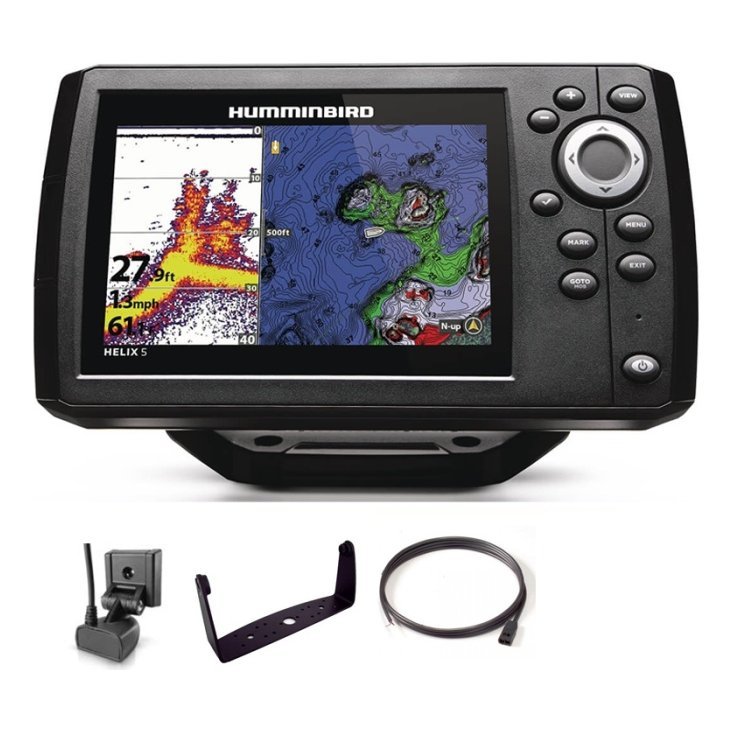
In competition, small advantages matter, and tournament fishing electronics are about reliability and information more than novelty. A screen that fails at the start of the day, a battery that runs low or a waypoint list that is a mess can cost you the event, while a well-prepared, well-practised setup lets you spend your time fishing. This guide explains how to prepare your electronics for a tournament: auditing equipment before the event, planning power, organising waypoints, using pre-fishing days efficiently, setting up screens for the way you fish, packing backups and following rules and etiquette. Always check the specific regulations for your event, since rules on electronics use vary.

Tournament fishing electronics: check the rules first
Know what is allowed
Events have rules about electronics, such as when you may scout and which devices are permitted. Read them carefully.
Respect boundaries
Follow rules about off-limits waters and pre-fishing dates. Sonar can help you scout, but you must stay within the rules.
Audit your equipment well before the event
Test everything
Power up each device, check screens, test transducers and confirm GPS fixes. Fix problems early, not the night before.
Update software and charts
Update at home, and check that settings still suit you. See our marine electronics maintenance guide.
Inspect cables and mounts
Look for corrosion, chafing and loose fittings. Tighten and replace as needed. Our boat wiring basics guide explains how.
Check the transducer
Make sure it is clean, correctly mounted and giving a clean signal at speed. See our transducer guide.
Plan power
Battery health and capacity
Test batteries and make sure they hold charge for a full day with a margin. Replace weak ones.
Charge fully
Charge everything the night before, and bring a charger for midday.
Protect connections
Use quality, sealed connectors and fuses. Carry spare fuses.
Separate sonar from big loads
A dedicated battery helps avoid noise when a trolling motor is running.
Organise waypoints
Clean your list
Delete old marks, rename good ones and group them by lake and season. See our marine GPS waypoints guide.
Separate hazards
Keep hazard waypoints in a distinct group.
Back up your data
Save waypoints to a card or computer. See our GPS fishing journal guide.
Plan routes
Create routes between key areas to reduce run time.
Use pre-fishing wisely
Cover water efficiently
Use side imaging and your chart to scan large areas, mark promising structure and rule out empty water. See our side imaging vs down imaging guide.
Test patterns, not just spots
Look for repeatable patterns, such as depth, structure type and bait, rather than relying on a single spot.
Record notes
Write down depth, bait, structure and fish response for each waypoint.
Keep fish healthy
Respect fish and follow practice regulations.

Set up screens for competition
Create presets
Save layouts for search, fishing and running. See our fish finder settings guide.
Keep it simple
Use clear, uncluttered screens and big numbers for quick reading.
Use dual screens if available
Bass boats often run two displays, such as a console and a bow unit. See our bass boat electronics guide.
Pack backups and spares
Backup devices
A handheld GPS, a compass and a charged phone give you navigation backup.
Spare parts
Fuses, cable ties, a spare transducer clamp and basic tools can fix a minor failure. See our fish finder troubleshooting guide.
Safety gear
Life jackets, a first aid kit and communication gear are essential. See our boat navigation safety basics.
Tournament day routine
Pre-start checks
Power up, check GPS, verify depth readings and test the trolling motor.
During the day
Mark good spots, keep notes and watch battery levels.
After weigh-in
Rinse, dry and charge equipment, and save waypoints.
Common mistakes
- Waiting until the night before to test gear.
- Running a weak battery.
- Overcrowding the waypoint list.
- Neglecting backups.
- Ignoring the rules.
Build a pre-event checklist
A written checklist removes stress. List each task: charge batteries, update software, check transducer and mounts, test sonar at speed, check GPS, back up waypoints, pack spares, check safety gear and review the rules. Put dates beside each item so you can finish a week before the event. On the morning of the event, run a short version of the list at the ramp. A checklist feels simple, but it catches the tiny problems that cost anglers entire days, and it frees your mind to focus on fishing strategy rather than gear worries.
Practise your boat handling with the electronics
Spend an afternoon running the boat with the full setup, as you would on tournament day. Practise switching presets, marking waypoints and following routes. Familiarity reduces mistakes under pressure.
Think about weather and water conditions
Study the forecast and recent changes in water level and temperature. Use your electronics to check how conditions affect the fish and choose backup plans for each type of weather.
Learning from every event
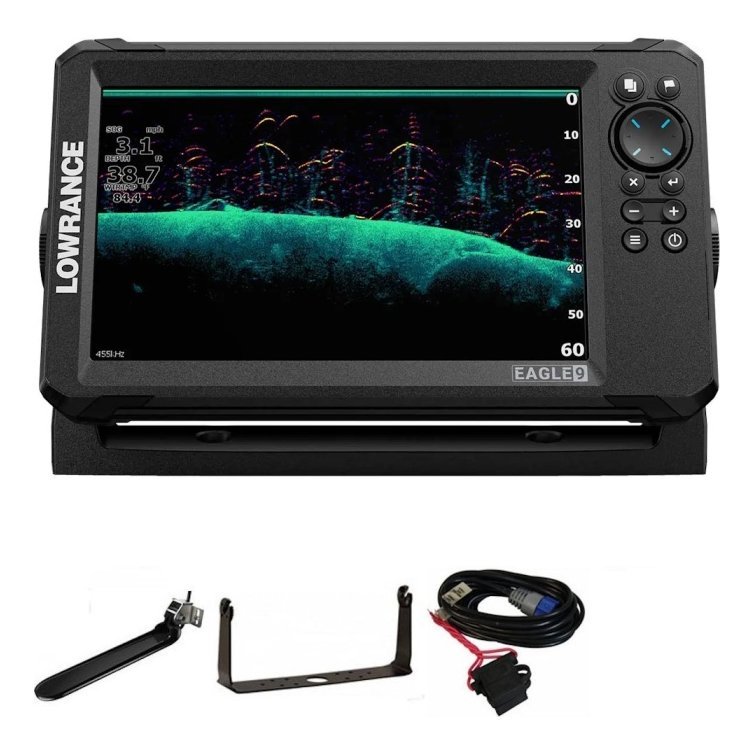
After each tournament, review your notes, tracks and waypoints. Which spots produced, which fell flat and what did you wish you had known? Update your waypoint list, adjust your routines and fix any equipment weaknesses. Over a season, this habit builds a dependable system. It also helps you recognise whether to invest in new electronics, because you will know exactly what limits your performance, rather than guessing. Spend where it solves a real problem and your gear will be an advantage instead of a distraction.
Sharing the water and showing good sportsmanship
Tournaments bring many boats onto the same water. Keep a respectful distance from other anglers, avoid running over productive areas and slow down near other boats. Use your electronics to find your own spots rather than crowding someone else, and wait your turn at popular structure. If you see a boat in trouble, be ready to help. Good sportsmanship protects fisheries and friendships, and it makes every event more enjoyable for all anglers, including you.
Mental preparation and time management
Equipment is only part of the story. Decide in advance how long you will spend at each spot before moving, and set alarms or reminders if it helps. Know your run times between key areas and the latest time you can leave a spot and still make the weigh-in. Keep notes brief so you do not waste time at the console. A clear plan keeps you calm when the day does not go as expected, and calm anglers make better decisions about where to fish and when to change tactics.
Frequently asked questions
What electronics do tournament anglers use?
Typically fish finders with GPS and imaging, often on dual screens, plus a trolling motor and reliable power.
Can I use side imaging in tournaments?
Rules vary, so check your event regulations.
How do I avoid electronics failures?
Test early, maintain connections and carry spares.
Should I use waypoints from friends?
That is your choice, and rules may apply.
Be ready when the clock starts
Reliable tournament fishing electronics are the product of preparation: audit, power, waypoints, pre-fishing and backups. Build a routine and follow it, and you will fish with confidence. Browse fish finders and GPS units in our shop and contact us if you would like help choosing equipment for competition.
Related reading from Fishtrail Outfitters
- Fall Fishing with Electronics: Following Bait and Changing Patterns
- Bass Boat Electronics Setup: Console, Bow Unit and Transducer Layout
- Fish Finder Chartplotter Combo: Is an All-in-One Unit Right for You?
- Buy Marine Electronics Online: A Smart Buyer’s Checklist
Products mentioned in this guide
- Fishfinder Garmin Striker Vivid 4CV + Sonar 77/200/455/800 KHz
- Fishfinder Garmin Striker Vivid 5CV + Sonar 77/200/455/800 KHz
- Fishfinder Garmin Striker Vivid 7CV + Sonar 77/200/455/800 KHz
Further reading: U.S. Coast Guard Navigation Center · Take Me Fishing: how to get started and where to fish
Questions before you buy? Contact Fishtrail Outfitters or browse the shop.