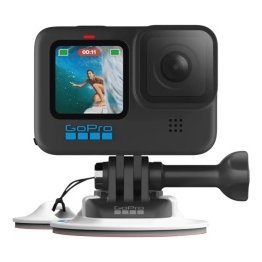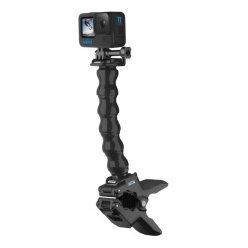
Many action cameras are sold as waterproof, so it is fair to ask whether waterproof cases for GoPro cameras are worth buying at all. The answer depends on how and where you fish. A case can add deeper depth ratings, extra protection against impact and salt, and a better grip, but it can also muffle sound, add glare and make controls harder to use. This guide explains when a case is helpful, which features matter, how to check fit and seals, how to test a case before a trip, how to look after it, and how it fits with other accessories such as floating handles, mounts and tethers.
Do you actually need a case?
Many cameras are waterproof to a modest depth without a case, which is plenty for spray, rain and brief dunks. A case makes sense when you need extra depth, when you want an added barrier for saltwater, or when you will use the camera in rough conditions where knocks and scratches are likely. If you only film from a dry boat on calm days, a case may be unnecessary.
Situations where a case helps
- Fishing in rough water or heavy spray.
- Using the camera in saltwater regularly.
- Holding the camera near the water for underwater shots.
- Mounting the camera where it may take knocks.
Situations where it may not be needed
- Calm, fresh water with a protected mount.
- Short trips with careful handling.
Key features of waterproof cases for GoPro
Not all cases are equal. Look for a clear lens window free of distortion, strong latches that stay closed, a good seal, access to controls, and compatibility with the mounts you use. Check the depth rating, and remember that the rating is for a new, clean, correctly fitted case. See our GoPro boat mount guide for mount compatibility.
Lens clarity and glare
Poor optics make blurry footage. Choose a case with a flat, clear lens window and keep it clean.
Audio considerations
Cases often reduce microphone quality. If sound matters, test it, or use an external microphone where supported. Our GoPro voice control guide explains how cases affect commands.
Controls and access
Make sure you can reach buttons and the screen, and that you can charge or swap batteries without damaging the seal.
Fit and check the seal
Before every trip, open the case and inspect the seal for dirt, hair, sand and damage. Wipe it with a clean cloth and check that it sits evenly in its groove. Close the latches firmly, and test the case empty by submerging it in fresh water for a few minutes before you trust it with a camera. Replace worn seals according to the manufacturer’s advice.
Never skip the test
A leaking case can ruin a camera in seconds. A dry test with tissue inside is a cheap safeguard.
Use anti-fog inserts
Fogging inside a case is common in cool, humid weather. Anti-fog inserts help, and so does closing the case in a dry place.
Protect the case after use
Rinse the case with fresh water after saltwater use, keep latches closed during the first rinse and let it dry before opening. Clean the seal and groove, and store the case with latches open. Follow the same routine described in our saltwater protection guide. Do not use harsh chemicals unless the manufacturer says they are safe.
Look after the lens
Wipe with a soft cloth and rinse first if there is salt. Scratches ruin footage.

Floating cases and handles
Some cases and handles add buoyancy, which helps if the camera falls overboard. They are especially useful on kayaks and small boats. See our floating case and handle guide. Pair them with a tether for extra security.
Power and cables with cases
If you need extended recording time, check whether a case works with a power handle or USB cable. Many cases cannot be sealed with a cable attached, so plan power carefully. Our power handle guide covers options for longer sessions.
Cases and camera angles
A case can add bulk, so check that it does not change your framing or interfere with mounts. If you use a chest harness, a bulky case may sit differently. See our GoPro chest mount guide. Test your set-up at home and record a short clip to confirm angle and stability.
Price and value
Cases range from basic to premium. Spend more if you fish in saltwater often, or if you carry an expensive camera, and less if you fish occasionally in calm conditions. Consider the cost of a lost or flooded camera compared with the cost of a good case.
Common mistakes
- Skipping the seal check.
- Not testing the case before using it.
- Ignoring fogging.
- Forgetting to rinse after saltwater.
- Buying a case that does not fit the mount system.
Underwater and low-angle shots
A case lets you lower the camera near or under the surface to show a fish swimming off after release, or to capture the view as a lure moves through the water. Keep the lens clean and check the seal carefully before each dunk. Use a tether and a floating handle so the camera cannot sink, and do not use a case beyond its depth rating. Shallow, clear water gives the best results, while murky water and strong current make footage difficult. Always put safety first and never lean dangerously over the side to get a shot.
Choose the right lens window
Flat windows suit above-water filming, while domed ports suit underwater scenes. Check which your case offers and how it affects the wide view.
Keep spare parts
Carry a spare seal, a small tube of manufacturer-approved lubricant if the instructions call for it, and a few anti-fog inserts. These small items rescue a day on the water when something wears out.
Frequently asked questions
Are cases necessary for waterproof cameras?
Not always, but they add protection and depth capability.
Do cases affect sound?
Often yes. Test audio before an important trip.
How long do seals last?
It depends on use and care, so inspect them regularly and replace them when worn.
Can I use a case with a floating handle?
Often yes, but check compatibility.
Choose protection that fits your fishing
The right waterproof cases for GoPro cameras give extra peace of mind when conditions are rough, but only if you check, test and care for them properly. Match the case to your mounts, your water and your habits. Browse camera accessories in our shop and contact us if you would like advice on cases, mounts and floating gear.
Related reading from Fishtrail Outfitters
- Best GoPro for Fishing: What to Look For and How to Set It Up
- GoPro Fishing Accessories: The Essential Kit for Anglers
- Floating Cases and Handles for GoPro: Never Lose Your Camera Overboard
- Underwater Fishing Camera Guide: How to Film Below the Surface with a GoPro
Products mentioned in this guide
- Waterproof case for GoPro HERO11 Black Mini camera
- Waterproof case for GoPro HERO12 Black HERO11 Black HERO10 Black HERO9 Black camera
- GoPro HERO11 Black Mini floating camera case
Further reading: GoPro official website · Take Me Fishing: how to get started and where to fish
Questions before you buy? Contact Fishtrail Outfitters or browse the shop.