Choosing marine electronics for small boats is a different problem from equipping a large cruiser. Space is tight, power is limited, the boat may be launched by hand and the budget is often modest. At the same time, the benefits are just as real: a simple fish finder and GPS can transform how you fish a small lake, a river or a sheltered bay. This guide explains how to prioritise your purchases, which devices matter most on a small boat, how to power and mount them, and which safety items deserve a place in the budget before any fancy extras.
Marine electronics for small boats: start with the essentials
Small boats reward restraint. Buy the things that change your day on the water, and leave the rest for later.
A fish finder first
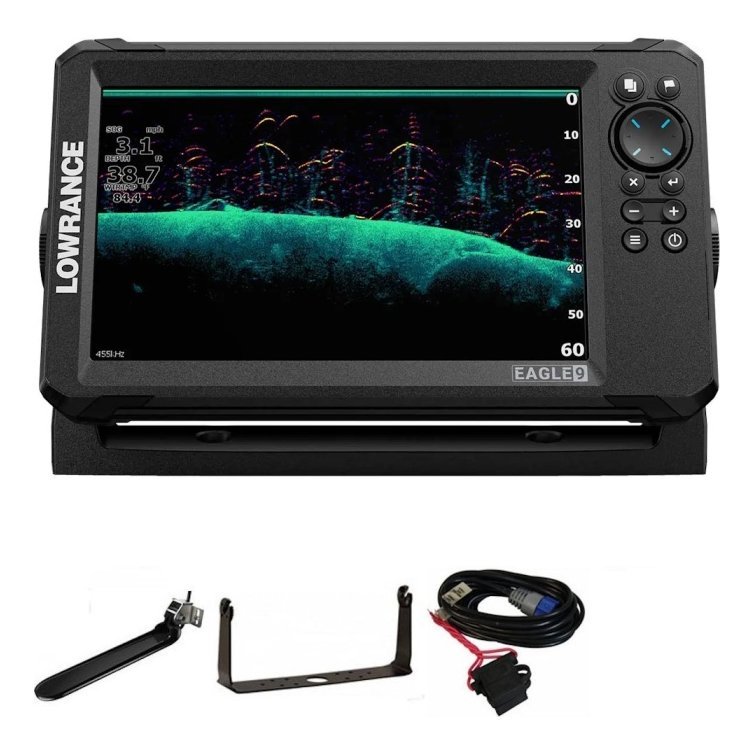
For most anglers, a fish finder is the first and most useful purchase. It shows depth and bottom, finds structure and reveals fish and bait. Our guide to the best fish finder for beginners explains what to look for.
GPS second
GPS lets you mark spots, track your route and find your launch. Many compact fish finders include GPS, which is convenient on a small boat. Read our fish finder with GPS guide.
Safety items before luxuries
Life jackets, a whistle, navigation lights where required and a simple compass matter more than a bigger screen. Our guide to boat navigation safety basics gives a full list.
Screen size and placement
A small boat has little room for a large screen.
Compact screens suffice
A smaller display uses less power and takes less space. For most small-boat anglers it is plenty when mounted close to the helm.
Mount where you can see and reach
Pick a position that you can see at a glance and reach without leaning. Many small boats use a swivel bracket that folds out of the way for trailering.
Protect from spray
Keep the display clear of splash, and cover it when not in use. A simple cover guards against sun and scratches.
Power for small boats
Power planning matters even more where there is little room.
Choose the right battery
A small deep-cycle or lithium battery is a common choice. Lithium is lighter, which suits a small boat well. Choose capacity to cover your day with some margin.
Keep it clean and fused
Use an inline fuse close to the battery and secure connections. Our boat wiring basics explains how.
Secure the battery
Strap it down and keep it dry. A loose battery is a hazard on any boat.
Transducers for small boats
A good transducer matters as much as a good display.
Transom mounts
Most small boats use a transom mount. Position it carefully in clean water, as our transducer guide explains.
Portable options
A portable transducer arm or suction cup suits boats you launch from different places or borrow. See our portable fish finder guide.
Trolling motor mounts
If you use a trolling motor, a transducer on the motor lets you see what is ahead of the boat. Check cable routing carefully.

Special cases: jon boats, kayaks and inflatables
Jon boats
Flat bottoms and shallow draft suit compact fish finders. Read our jon boat guide.
Kayaks
Light weight, low power and secure mounting matter most. See our kayak fish finder guide.
Inflatables
Avoid drilling. Use clamp mounts and removable transducer arms.
Communication and visibility
Small boats are easy to miss.
VHF or phone
A VHF radio is useful on larger water, and a waterproof phone case helps on small lakes. See our VHF radio basics.
Lights and signals
Carry lights and signalling gear suited to your waters. Our navigation lights guide explains the rules in outline.
Optional extras
Once the essentials are in place, add extras that suit you.
An action camera
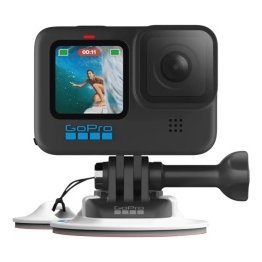
Many anglers like to film their trips. See our GoPro fishing accessories guide.
Handheld GPS backup
A cheap handheld GPS offers backup navigation.
Charts
If you fish large water, detailed charts add safety and planning value.
How to budget
Budget for the whole system.
- The fish finder or combo.
- The transducer and mount.
- A battery, fuse and wiring.
- Safety gear.
- Optional extras.
Read our marine electronics budget guide for a worked approach.
Care and storage
Small boats are often stored outdoors, so protect the electronics.
- Remove the display and battery between trips if you can.
- Rinse after salt use.
- Keep connectors dry.
- Store in a padded bag.
See our maintenance guide for a full routine.
A sensible shopping order
If you are building a small-boat setup from nothing, the order you buy matters. First, secure the safety basics and a dependable battery. Second, choose a compact fish finder with GPS and a transducer that suits your hull. Third, add a proper mount and tidy the wiring. Fourth, consider extras such as a camera or a handheld backup. Buying in this order means each purchase is useful immediately and you never sit with half a system that does not work. It also spreads the cost across a season, which makes it easier on the wallet.
Test each stage before moving on
After each step, take the boat out and confirm that everything works. Fix problems while the system is simple. Adding parts later is far easier when you know the foundation is sound.
Common small-boat mistakes
Several errors are common on small boats. Choosing a display too big for the console leaves you with an awkward, exposed mount. Using the starting battery for everything risks a flat battery and noisy sonar. Ignoring cable routing leads to chafed wires and lost signals. Overlooking weight can affect balance, especially on kayaks and inflatables. And forgetting to rinse and dry equipment after salt trips shortens its life. Avoid these and your compact setup will perform well for many seasons, delivering most of the benefits of a bigger boat’s electronics at a fraction of the cost and complexity.
Example setups for three small boats
It helps to see how the pieces combine. A 12-foot jon boat on a farm pond might carry a compact fish finder with a transom transducer, a small sealed battery with an inline fuse and a simple swivel bracket. A 14-foot aluminium boat on a mid-size lake might add GPS, a trolling motor transducer and a VHF handheld. An inflatable used on a bay could rely on a portable transducer arm, a lithium battery in a dry bag and a waterproof phone case for navigation. In each case, the equipment matches the boat and water rather than copying a bigger boat’s layout, and each setup can be installed in a weekend with basic tools. Add pieces over time, and always test before the next trip.
Think about launching and storage
A small boat is often launched by one person, so choose gear you can lift, plug in and remove quickly. Detachable displays, quick-release brackets and clearly labelled plugs make launching and loading simple. At the end of the day, take the display and battery home, which protects them from theft, heat and damp and extends their life considerably.
Frequently asked questions
What is the first thing to buy for a small boat?
A fish finder with a suitable transducer and a reliable power supply, plus basic safety gear.
Can I run electronics from my starter battery?
It is better to use a separate battery to avoid noise and a dead start.
Do small boats need GPS?
Not strictly, but it helps with safety and repeatable fishing.
Can I install it myself?
Many anglers do. Follow our installation guide.
Equip your small boat sensibly
The best marine electronics for small boats are compact, efficient and easy to install. Start with a fish finder and clean power, add GPS and safety gear and leave extras until you know you need them. Browse compact units in our shop, or contact us for help choosing equipment for your boat.
Related reading from Fishtrail Outfitters
- Kayak Fish Finder Guide: How to Choose and Mount One on a Kayak
- Marine Electronics Budget Guide: How to Spend Wisely on Your Boat Setup
- Fish Finder vs GPS Marine: Which Category Do You Need First?
- Fish Finder for a Jon Boat: A Simple, Affordable and Portable Setup
Products mentioned in this guide
- Fishfinder Furuno FCV 600
- Fishfinder Furuno FCV 800
- Lowrance Eagle 5 CHIRP Splitshot Gps Fishfinder + 455/800 KHz Transducer
Further reading: U.S. Coast Guard Navigation Center · Take Me Fishing: how to get started and where to fish
Questions before you buy? Contact Fishtrail Outfitters or browse the shop.