
The question of Lowrance vs Humminbird comes up in every boat ramp conversation, and it rarely has a single correct answer. Both brands make capable, popular fish finders with strong sonar, built-in GPS options and imaging features, and both have loyal fans. The real difference lies in how each brand approaches the interface, the way its sonar views are laid out and the ecosystem of charts and accessories around it. This guide compares them in a fair, practical way so that you can match the right brand to your boat, your water and the way you like to work, rather than following the loudest opinion.
Two brands, similar goals
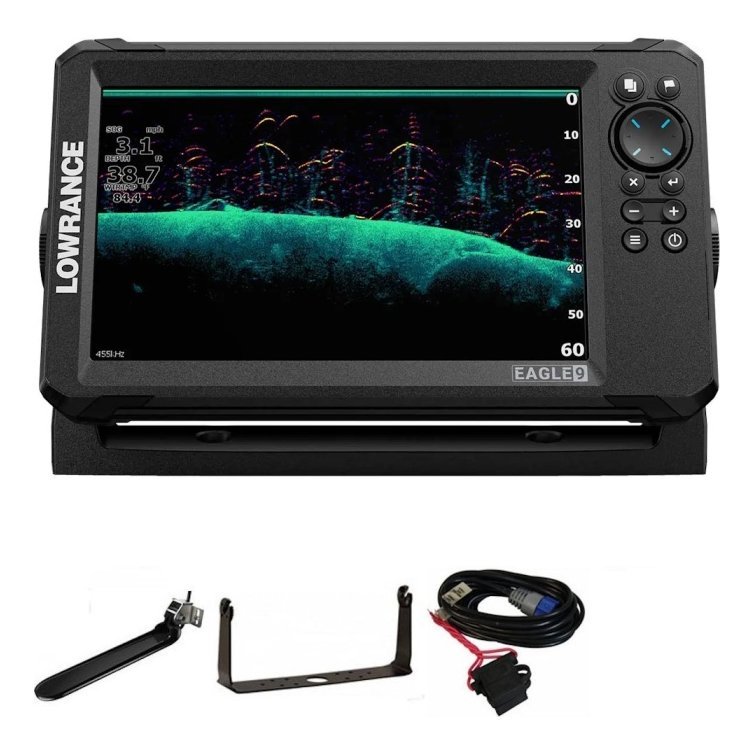
Lowrance and Humminbird both aim to give anglers a clear picture of what is under the boat and the tools to act on it. Each offers entry-level units for small boats and larger, feature-rich units for serious setups. Both include CHIRP-style sonar, imaging options and GPS in many models.
Why the choice feels hard
Because both brands are strong, the decision often comes down to preference and compatibility. Two units at the same price can differ in menu design, screen options and how easily they link with other equipment.
What this comparison does and does not do
We focus on general characteristics rather than specific model specifications, because product lines change. Always check the details on the product page for the exact model you are considering.
Interface and ease of use
How a unit feels in your hand matters more than the spec sheet suggests.
Menu design
Many anglers describe Lowrance menus as clear and page-based, while Humminbird menus lean on customisable views and quick-access options. Opinions differ from angler to angler, and both are learnable, but one may simply suit you better.
Touch, keys or both
Different models offer touchscreens, physical keys or a combination. Keys are easier in rough water and with wet hands, while touch is quicker for panning maps.
Learning curve
New anglers often find that the brand they try first becomes the one they stay with, simply because they learn its layout. If a friend owns one brand, borrowing their unit for a trip can tell you a lot.
Sonar and imaging
Both brands offer strong sonar, but their naming and packaging differ.
CHIRP and 2D sonar
Both offer CHIRP sonar for cleaner target separation. Our CHIRP fish finder guide explains what to look for.
Down imaging and side imaging
Both offer imaging sonar in many models. Both brands offer side imaging in selected models, so compare the exact model and transducer. See our comparison of side imaging vs down imaging for how each view works.
Transducer options
Check which transducer comes with each unit and whether it supports the sonar types you want. Compatibility between display and transducer is crucial, as our transducer guide explains.
Mapping and navigation
GPS and maps are where the two brands diverge most in ecosystem terms.
Built-in maps and chart options
Both support detailed charts for lakes and coasts, and many units include basic maps. The chart choices available to you depend on your model and region, so check the compatibility on the product page.
Waypoints and routes
Both let you save waypoints and routes and display tracks. The experience of creating and organising them differs. Read our guide to marine GPS waypoints for best practices that apply to either.
Networking
Some anglers connect several units, add radar or link other devices. Check how each brand handles networking if you plan a larger setup.
Screen quality and sizes
Both brands offer a range of screen sizes.
Small boats
Compact units from either brand suit kayaks, jon boats and small aluminium boats. See our 7 inch fish finder guide for sizing advice.
Larger boats
Bigger screens allow split views with sonar, charts and imaging at the same time.
Visibility
Look at brightness, viewing angle and glare. Try to see units in daylight if possible.
Price and value
Both brands cover a broad price range. A budget unit from either brand will give you clear sonar and a reliable depth reading, while higher-end units add larger screens, advanced imaging and wider network features.
Compare the whole package
When you compare prices, include the transducer, any charts, the mount and the cable. A unit that looks cheaper may need extras that bring the total closer to a rival.
Think about resale and support
Popular brands generally hold their value and are well supported by accessory makers. Check the warranty and what is included before you buy.
Which brand suits which angler?
There is no universal winner, but a few patterns help.
Choose Lowrance if
- You like a page-based interface and want straightforward menus.
- You value a broad choice of charts and accessories for your region.
- You expect to build a larger networked system over time.
Choose Humminbird if
- You want imaging, including side imaging, as a headline feature.
- You like customisable views and quick access to your favourite screens.
- You fish structure-heavy waters where imaging pays off.
These are general tendencies rather than rules. Many anglers have happily used either brand for years.
How to decide
Follow a simple process.
- List the features you need: sonar type, GPS, screen size and budget.
- Shortlist two or three models from each brand that meet those needs.
- Compare transducers, mounts and included accessories.
- Read the product pages carefully and ask us any questions.
- Choose the one that feels most natural to you.
You can start with our guides to the Lowrance Eagle and the Humminbird Helix.

Accessories, mounts and ecosystem
Beyond the display itself, the surrounding gear shapes your experience for years.
Mounts and brackets
Both brands offer bracket and flush-mount options, and the right choice depends on your console. Our fish finder mount guide shows how to pick between them. Measure the space before you buy so the display fits comfortably.
Power and wiring
Check the power connector, the fuse rating and the cable length. A clean, fused power feed protects the unit and keeps the sonar free of noise, as explained in our boat wiring guide.
Charts and software updates
Charts and software are a long-term part of your investment. Look at what maps are included, what you might want to add and how updates are installed. A unit that is easy to keep current stays useful for many seasons.
What matters more than the brand
Anglers sometimes argue brands endlessly while overlooking details that matter more. A well-mounted transducer on a modest unit will out-perform a premium display with a poorly placed transducer. Clean wiring, a healthy battery and sensible settings make a larger difference to your picture than a logo on the bezel. Time spent learning the screen, reading the manual and practising on known water repays you every trip. So choose a brand that you are comfortable with, install it carefully and spend your energy fishing.
Questions to ask before buying
Before you commit to either brand, run through a short list of questions. Does the unit fit the space on my console or kayak? Does it include the transducer and the mount I need? Which sonar views does it offer, and do I understand them? What maps are included for my waters? How is power supplied and what size battery will I need? Is the screen readable in bright sun? Are there accessories I will need to add later? If any answer is unclear, the product page and our team can help, so send a note through the contact page with your boat details and we will guide you.
Finally, think about support and community. Popular brands have large user communities, so answers to everyday questions are easy to find online and at the ramp. That shared knowledge shortens the learning curve for new owners, whichever brand they pick, and it is one more reason a sensible, well-supported choice beats chasing a specification that you may never use.
Frequently asked questions
Is Lowrance better than Humminbird?
Neither is better in every case. Both make capable units, and the best choice depends on your priorities and preferences.
Can I mix Lowrance and Humminbird parts?
Generally, no. Displays and transducers are designed to work with their own brand’s connectors and software, so check compatibility before mixing.
Which brand is easier for beginners?
Both have beginner-friendly models. Choose the one whose menus make sense to you.
Do both brands work in saltwater?
Many models do, but check the product details for your intended water.
Final thoughts on Lowrance vs Humminbird
The debate over Lowrance vs Humminbird is really a question of fit. Both brands deliver reliable sonar and GPS, so choose the one whose interface, features and ecosystem match how you fish. Compare units in our shop and contact us if you would like help narrowing the list for your boat.
Related reading from Fishtrail Outfitters
- Lowrance Eagle Fish Finder Guide: Features, Sizes and Who It Suits
- Humminbird Helix Fish Finder Guide: What the Helix Line Offers
- Side Imaging vs Down Imaging: Which Sonar View Do You Need?
- Fish Finder Chartplotter Combo: Is an All-in-One Unit Right for You?
Products mentioned in this guide
- Lowrance Eagle 5 CHIRP Splitshot Gps Fishfinder + 455/800 KHz Transducer
- Lowrance Eagle 5 CHIRP HDI Gps Fishfinder + 83/200/455/800 KHz Transducer
- Lowrance Eagle 5 CHIRP HDI Gps Fishfinder + 50/200/455/800 KHz Transducer
Further reading: Take Me Fishing: how to get started and where to fish
Questions before you buy? Contact Fishtrail Outfitters or browse the shop.

