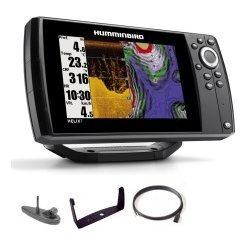
Anglers and boaters often wonder whether a handheld marine GPS is enough or whether they need a mounted chartplotter. The answer depends on your boat, your water and how you use navigation. A handheld GPS is compact, portable, battery powered and usually less expensive. A chartplotter is larger, mounted on the boat, easier to read at a glance and often combined with sonar. Each has strengths, and many boaters use both, with the handheld as a backup. This guide compares them on screen size, power, charts, mounting, durability and cost, explains which suits kayaks, small boats and larger craft, and shows how to use a handheld GPS well for waypoints, tracks and safety.
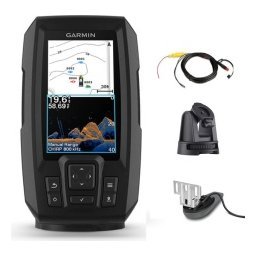
What a handheld marine GPS is
A portable navigation device
A handheld GPS fits in your hand or pocket, runs on batteries or rechargeable cells and shows your position, tracks and waypoints. Some include marine charts or maps.
Built for water and weather
Marine handhelds are designed to resist water and rough handling, though you should still check ratings and protect them.
Simple and flexible
Because it is portable, you can use it on a kayak, a small boat, a shore walk or as a backup on a larger vessel.
What a chartplotter is
A mounted display
A chartplotter is fixed to the boat and powered by the boat’s battery. It shows charts on a larger screen and often includes sonar.
Integrated with other systems
It can connect to sonar, radar and other devices. See our chartplotter buying guide.
Built for continuous use
A chartplotter is designed to run all day and to be read at a glance from the helm.
Compare the two
Screen size and readability
A chartplotter’s larger screen is easier to read in motion. A handheld screen is small, which is fine for position and simple navigation but harder for detailed charts.
Power
A handheld uses its own batteries, so it works if the boat’s power fails. A chartplotter depends on the boat battery. See our boat wiring basics.
Charts
Chartplotters usually support detailed charts. Some handhelds support charts, but with smaller displays.
Mounting and portability
A chartplotter stays on the boat. A handheld goes anywhere.
Cost
Handhelds are generally less expensive, and chartplotters cost more, especially with sonar.
Which is best for your boat
Kayaks and canoes
A handheld or a compact fish finder with GPS is often ideal. See our kayak fish finder guide.
Small boats
A handheld works for basic navigation, and a fish finder with GPS adds sonar. See our marine electronics for small boats guide.
Larger boats
A chartplotter is the primary navigation tool, and a handheld is a valuable backup. See our boat navigation safety basics.
Shore and hiking
A handheld is the clear choice.
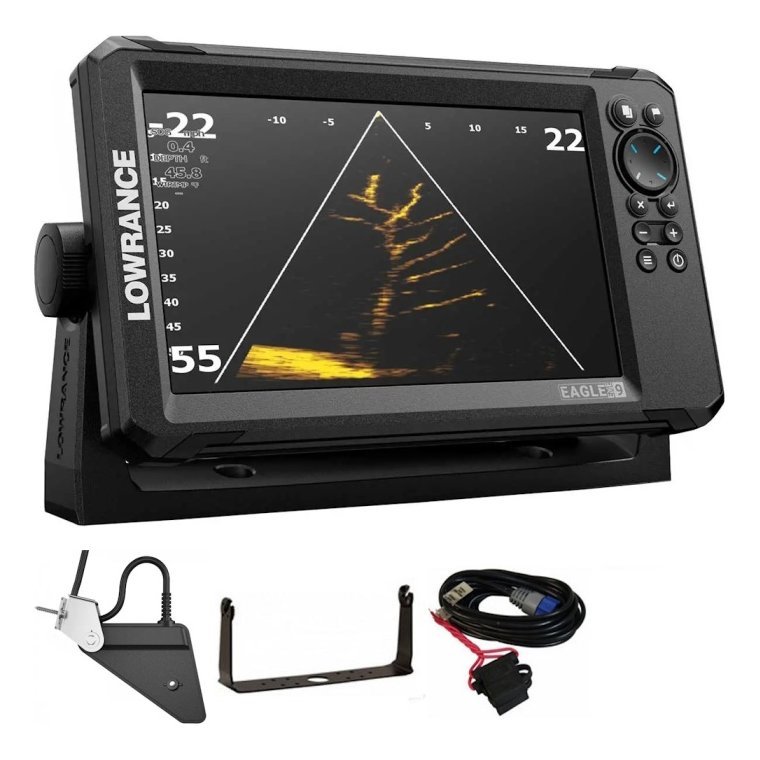
Use a handheld GPS as a backup
A second source of position
If a chartplotter fails, a handheld lets you navigate home. Keep it charged and stored where you can reach it.
Pre-load waypoints
Save your launch, safe channels and hazards so you can navigate back. See our marine GPS waypoints guide.
Pair with a compass and chart
A handheld does not replace a compass and a paper chart. See our marine compass and backup navigation guide.
Use a handheld GPS well
Set it up before you leave
Check batteries, set units and datum and mark your starting point.
Mark and name waypoints
Use clear names, and group them. See our waypoint guide.
Use tracks
Track logging records where you went, which helps you retrace your route.
Protect it
Use a lanyard and a case. Keep spare batteries in a waterproof bag.
Features to check
Marine charts
If you want charts, check which are supported.
Battery life
Check run time and whether it uses replaceable or rechargeable batteries.
Waterproofing
Check the waterproof and floating ratings.
Accuracy and reception
Check satellite reception and update rate. Reception can be reduced under cover.
Common mistakes
- Relying on a single device.
- Letting batteries run low.
- Not saving key waypoints.
- Using a handheld as the only chart.
- Not securing it with a lanyard.
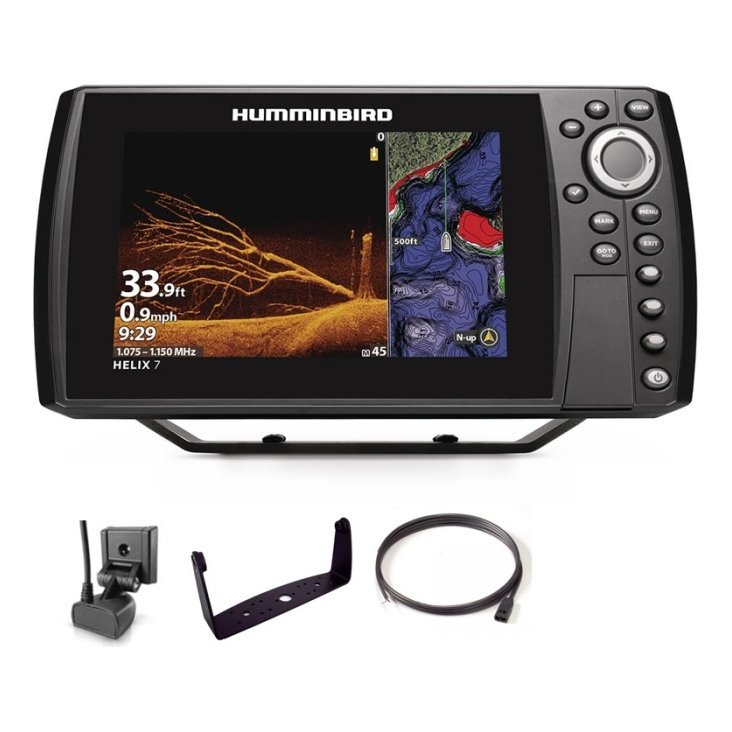
An example of using both together
A boater with a 20-foot fishing boat uses a chartplotter at the console for navigation and sonar. Before leaving the dock, the boater turns on a handheld GPS, confirms it has a position fix and checks that the launch ramp is saved as a waypoint. During the day, the handheld sits in a waterproof pouch in the console, ready if needed. On one outing, a power glitch shuts down the console for a few minutes. The boater uses the handheld to confirm position and heading and continues safely. The cost of the handheld was small, and the confidence it provided was large. That is the real value of a backup.
Keep both updated
Update software and maps on both devices before the season. Charts that are out of date, or waypoints that differ between devices, create confusion. Spend an evening syncing them.
Practise switching
Practise using the handheld when you do not need it, such as on calm days. Knowing how to find your position, navigate to a waypoint and read the screen under stress is far better than learning in an emergency.
Handheld GPS for fishing
Beyond safety, a handheld GPS is useful for marking fishing spots from a kayak, shore or small boat. Press the mark button when you catch a fish or see structure, and return later. Combine it with a portable sonar and you have a flexible, compact fishing kit. Over time, your marked spots, tracks and notes form a personal map of your favourite waters, and you will find yourself spending less time searching and more time fishing.
Frequently asked questions
Is a handheld GPS enough for a boat?
For small boats and basic navigation, yes. For detailed charts and sonar, a chartplotter is better.
Can a handheld GPS replace a chartplotter?
Sometimes, but it has a smaller screen and fewer integrations.
Do I need charts on a handheld?
It depends on where you boat. Detailed charts add safety.
Should I carry a handheld as a backup?
Many boaters do.
Pick the right tool, or both
A handheld marine GPS is portable, affordable and a superb backup, while a chartplotter is the better primary tool on most boats. Decide how you boat, and if in doubt, consider carrying both. Browse GPS units in our shop and contact us for help choosing.
Related reading from Fishtrail Outfitters
- Fish Finder vs GPS Marine: Which Category Do You Need First?
- Sailboat and Cruiser Electronics Basics: Depth, GPS and Backup Navigation
- Marine GPS Chartplotter Buying Guide: Features, Sizes and What to Skip
- Offshore Fishing Electronics Guide: Sonar, GPS and Safety Gear for Bigger Water
Products mentioned in this guide
Further reading: U.S. Coast Guard Navigation Center · Take Me Fishing: how to get started and where to fish
Questions before you buy? Contact Fishtrail Outfitters or browse the shop.