Fuel is expensive and daylight is short, so learning to save fuel and time on the water is one of the most practical benefits of marine electronics. GPS routes help you run direct lines, waypoints let you return to proven spots without searching, tracks show where you have already been, and sonar tells you quickly whether a spot is worth fishing or not. Together they reduce random cruising and increase productive fishing. This guide explains how to plan trips with GPS, how to use waypoints and tracks, how to scan efficiently with sonar, how speed and trim affect fuel use, how to prepare before leaving the dock, how to stay safe while being efficient, and how to review each trip so the next one is better.
Plan your route before you leave
Efficiency starts at home. Look at a map or chart, choose your target areas, and plan a route that connects them in a sensible order. Consider wind, current and boat traffic, and avoid hazards. Enter the route into your GPS, with waypoints for your key spots and a safe return path. A planned route cuts out wandering, which is one of the biggest wasters of fuel and time. See our marine GPS waypoints guide and fishing journal guide.
Rank your spots
List your spots from most to least promising, and plan to start with the best. Move on quickly if a spot is not producing.
Check conditions
Check wind, tides and weather. A route that saves fuel in calm conditions may be rough or slow in strong wind.
Use waypoints to save fuel and time on the water
Waypoints let you return to a spot without hunting for it. Mark productive spots, structure, bait and hazards. Name them clearly and add notes. After a few trips, you will have a map of where fish are likely to be at different times and conditions. This replaces aimless searching with purposeful travel.
Mark hazards too
Marking rocks, stumps and shallow areas saves you from damage and unplanned stops.
Back up your marks
Copy waypoints to a second place, so a failed device does not erase your knowledge.
Use tracks to avoid repeating yourself
A track shows the path you have travelled. Watching it on the screen reveals where you have already searched, and helps you avoid covering the same water twice. Review old tracks to see which routes worked best. Combine tracks with notes about conditions for a record of efficient paths.
Run direct lines
When moving between spots, use the GPS to run a straight line where it is safe, rather than following the shore.
Scan efficiently with sonar
Sonar tells you quickly whether a spot has fish, bait or structure. Cruise at a speed that gives a clear picture, scan edges and drop-offs, and mark promising marks. If the screen shows nothing after a reasonable look, move on. See our fish finder basics guide, fish finder settings guide and fall fishing with electronics guide for tips on reading the screen.
Use side and down imaging
These views cover more water at once and help you find structure faster.
Keep sensitivity sensible
Too little sensitivity hides fish, and too much creates clutter. Adjust to match the water.
Fuel use: speed, trim and weight
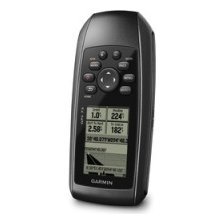
Fuel consumption depends on speed, load and trim. Many boats burn far more fuel at high speed than at an efficient cruising speed, so slowing down a little can save a lot. Keep the hull clean, remove unneeded weight and trim the boat for the best attitude. Your GPS shows speed over ground, which helps you find the sweet spot. Check manufacturer guidance and your own experience.
Watch your fuel gauge and range
Know how much fuel you have, how much you need to return, and keep a reserve.
Avoid unnecessary idling and sudden acceleration
Smooth driving saves fuel and reduces wear.
Prepare before leaving the dock
Prepare your boat and electronics at home so that you do not waste time on the water. Charge batteries, update software, load routes and check connections. Pack tackle and food in advance. Our spring electronics checklist and boat wiring basics guide explain how to avoid problems that waste time. Launch and load quickly, and have a plan for when the fish are not where you expect.
Use a launch checklist
Create a short list of items to check before leaving, such as plug, fuel, safety gear and charged devices.
Stay safe while being efficient
Never let a desire to save time lead to risky decisions. Watch the weather, wear a life jacket and keep a reserve of fuel and daylight. Check navigation lights and have a plan for returning in the dark. See our boat navigation lights guide and solo fishing safety guide.
Review and improve
At the end of the trip, look at your track and waypoints. Ask what worked and what wasted time, and update your plan. Record fuel use and note speed and conditions. Over time you will build a clear idea of the most efficient routes and spots. Cameras can also help you review and share, as explained in our guide to editing fishing videos.

Quick efficiency tips
- Plan the route and rank your spots.
- Mark and name waypoints.
- Use tracks to avoid repeating areas.
- Scan with sonar before you stop.
- Cruise at an efficient speed.
- Keep a fuel reserve.
Common mistakes
- Wandering without a plan.
- Not marking productive spots.
- Running too fast for the conditions.
- Fishing unproductive water too long.
- Neglecting safety and reserves.
A worked example of an efficient day
Suppose you plan a ten-mile trip across a lake. At home you rank four spots, enter them as a route and check the wind forecast. At the ramp you check that fuel, batteries and safety gear are ready. You run directly to the first waypoint at an efficient cruising speed, scan the area with sonar and find bait but no sign of larger fish. You fish for twenty minutes, then move on, rather than burning an hour hoping for a change. At the second waypoint the sonar shows fish near structure, you stay and catch several. You mark a new waypoint and note the conditions. On the way back you follow a track you know is safe, reaching the ramp with fuel in reserve and daylight to spare. The next trip begins with a sharper plan.
Use alerts and alarms
Set shallow-water, anchor and arrival alarms so you can focus on fishing and still stay safe. Alarms avoid time-consuming mistakes.
Share routes with your fishing partners
Sending routes and waypoints to friends, where appropriate, helps everyone spend less time searching and more time fishing, while respecting private spots.
Frequently asked questions
Can GPS really save fuel?
Yes, by helping you plan direct routes and avoid searching.
Does sonar save time?
It helps you decide quickly whether a spot is worth fishing.
What speed is best?
It depends on your boat. Find an efficient cruising speed and use GPS to check.
How many waypoints should I keep?
As many as are useful, labelled clearly and backed up.
Spend more time fishing
To save fuel and time on the water, plan routes, mark waypoints, read sonar and drive efficiently. Each trip becomes more productive and more enjoyable. Browse GPS units, fish finders and accessories in our shop and contact us if you would like help choosing tools for your boat.
Related reading from Fishtrail Outfitters
- Fall Fishing with Electronics: Following Bait and Changing Patterns
- Night Fishing Electronics: Use Sonar, GPS and Lights Safely
- Offshore Fishing Electronics Guide: Sonar, GPS and Safety Gear for Bigger Water
- Tournament Fishing Electronics: Prepare Your Sonar, GPS and Power
Products mentioned in this guide
- Fishfinder Garmin Striker Vivid 4CV + Sonar 77/200/455/800 KHz
- Fishfinder Garmin Striker Vivid 5CV + Sonar 77/200/455/800 KHz
- Fishfinder Garmin Striker Vivid 7CV + Sonar 77/200/455/800 KHz
Further reading: U.S. Coast Guard Navigation Center · Take Me Fishing: how to get started and where to fish
Questions before you buy? Contact Fishtrail Outfitters or browse the shop.