
Modern boats rely on chartplotters, fish finders and phones, and that makes marine compass backup navigation more important, not less. Electronics fail: batteries die, connectors corrode, screens flood and software freezes, often at the worst time. A magnetic compass needs no power, a paper chart shows the water without batteries and a handheld GPS offers a second source of position. Together they let you find your way home calmly. This guide explains what to carry, how to mount and check a compass, how to steer a bearing, how to use a paper chart, how to use dead reckoning with time and speed, how to combine backups with GPS, and how to practise so that the skills are there when you need them.
Marine compass backup navigation: what to carry
A magnetic compass
A marine compass shows heading without power. Mount a good one at the helm, or carry a handheld bearing compass.
Paper charts
A paper chart of your area is reliable, always visible and independent of batteries. Carry a chart for each area you boat. See our how to read nautical charts guide.
A handheld GPS
A battery-powered GPS gives you position if the main unit fails. See our handheld marine GPS guide.
Basic tools
A pencil, dividers or a ruler, and a waterproof notebook help you plot and record. Keep them in a dry bag.
Install and check a compass
Mount it properly
Mount a fixed compass on the centreline, in your normal line of sight, away from magnets, speakers and metal.
Check for deviation
Metal and electronics near the compass can shift its reading. Compare it against a known bearing or GPS, and note differences.
Keep it clean and lit
Clean the glass, and make sure the light works for night use.
Protect it
Cover or shield it from sun and knocks.
Steer a bearing
Find your bearing
On a chart, measure the bearing from your position to your destination, using a compass rose or a plotting tool.
Allow for variation
The difference between true north and magnetic north is called variation. Check the chart for the local value and apply it.
Hold the course
Steer so that your compass reads the bearing. Check regularly and correct for wind and current.
Use a paper chart
Orient and plot
Align the chart with north and mark your last known position.
Identify landmarks
Use buoys, points and structures to confirm where you are. A bearing to two landmarks gives a fix.
Check depths
Compare your sonar depth with the chart. See our fish finder with GPS guide.

Dead reckoning
What it is
Dead reckoning estimates your position from your last known position, your heading, your speed and the elapsed time.
How to do it
Note the time and position, steer a compass course at a known speed and calculate distance travelled. Mark the estimated position on the chart.
Limits
Wind, current and steering errors accumulate, so update with landmarks whenever possible.
Combine backups with electronics
Mark your launch and key points
Save your launch and safe channels as waypoints, and write down their bearings. See our marine GPS waypoints guide.
Record routes
Write down a simple bearing and distance from your main fishing areas to the ramp.
Use sonar for depth
Depth contours help confirm position even without GPS.
Carry spare power
Keep spare batteries for handheld devices and a power bank for phones.
Practise
On a clear day
Navigate by compass and chart only, then check against GPS.
In poor visibility
Practise with a partner nearby. See our boating in fog guide.
With the crew
Make sure someone besides you understands the basics.
Communication and safety
VHF radio
A radio is essential for calling for help. See our VHF radio basics guide.
Lights and signals
Carry a flashlight, a whistle and signalling devices.
Float plan
Tell someone your plans. See our boat navigation safety basics.
Common mistakes
- Mounting the compass near magnets.
- Forgetting variation.
- Carrying out-of-date charts.
- Failing to practise.
- Relying on one device.
A backup kit you can assemble today
A small waterproof bag with a handheld compass, a laminated chart of your main area, a pencil, a ruler, a waterproof notebook, a flashlight, spare batteries and a whistle weighs very little and takes minutes to assemble. Keep it in the same place on every trip. Add a printed card listing the bearing and distance from your main fishing areas to the ramp, which you can prepare at home from your chart. If you fish with others, make sure everyone knows where the bag is. An emergency kit that is easy to find is far more useful than one buried at the bottom of a locker.
Check the kit each season
Replace batteries, check the compass for bubbles and make sure charts are current. Update the card if you add new fishing areas. A kit that is a season out of date is better than none, but a current one is far more reliable.
Review it with your family or crew
Spend ten minutes explaining the kit and what each item does. If something goes wrong when you are unable to act, someone else may need to use it. Familiarity is a safety feature.
When electronics and compass disagree
If your GPS and compass disagree, do not ignore either. Check that the compass is not influenced by nearby metal, check that GPS heading is moving fast enough to be reliable, and compare against landmarks and chart. At low speed, GPS heading can wander, and at high speed, compass readings can swing in waves. Use both, along with your eyes, and when in doubt, slow down. Our boat navigation safety basics discusses how to combine sources sensibly.
Frequently asked questions
Do I need a compass if I have GPS?
Yes, as a backup. A compass needs no power.
Are paper charts still useful?
Yes, they are dependable and independent of electronics.
What is deviation?
The error caused by metal and electronics near a compass.
How can I practise?
Navigate short trips by compass and chart on calm days.
Always have a way home
Marine compass backup navigation costs little and adds a lot of safety. Carry a compass, a chart and a spare GPS, practise using them and keep your electronics maintained. Browse GPS and safety gear in our shop and contact us for help choosing equipment.
Related reading from Fishtrail Outfitters
- Boat Navigation Safety Basics: Using GPS, Charts and Common Sense
- Sailboat and Cruiser Electronics Basics: Depth, GPS and Backup Navigation
- Marine GPS Chartplotter Buying Guide: Features, Sizes and What to Skip
- Handheld Marine GPS vs Chartplotter: Which Do You Need on the Water?
Products mentioned in this guide
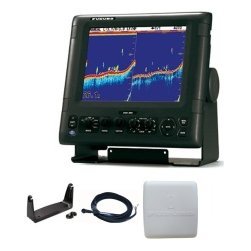
- Fishfinder Furuno FCV 600
- Fishfinder Furuno FCV 800
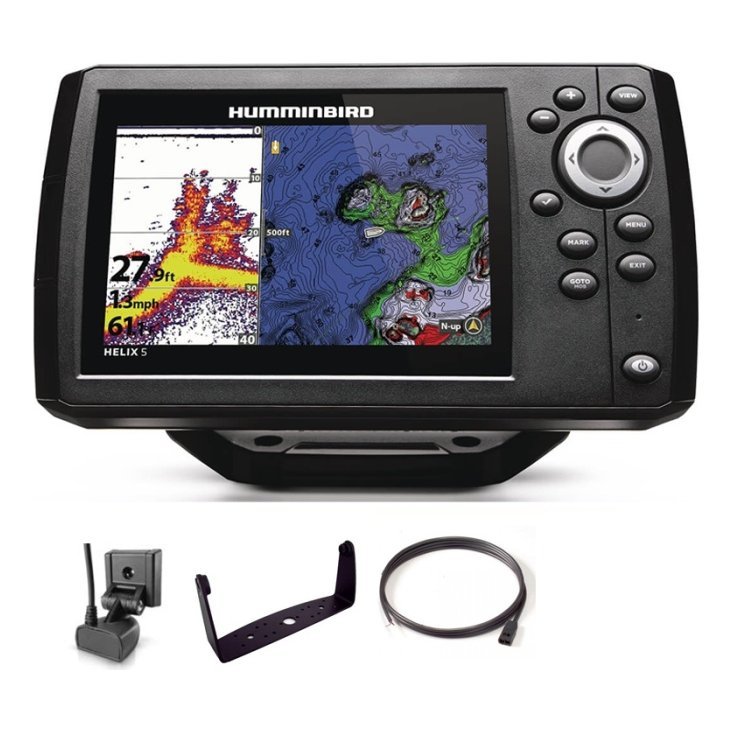
- Lowrance Eagle 5 CHIRP Splitshot Gps Fishfinder + 455/800 KHz Transducer
Further reading: U.S. Coast Guard Navigation Center · Take Me Fishing: how to get started and where to fish
Questions before you buy? Contact Fishtrail Outfitters or browse the shop.

