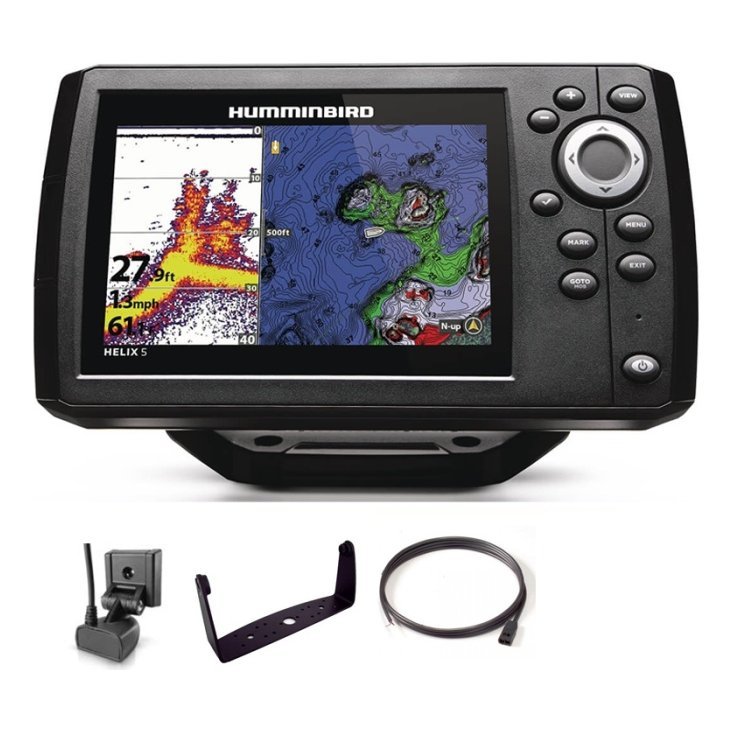
A pontoon is a comfortable platform for fishing, but choosing a fish finder for pontoon boats takes some thought because the hull is different from a typical fishing boat. Twin or triple tubes, wide decks, rail systems and consoles all affect where you mount the screen, how you route cables and where the transducer can sit in clean water. Pontoons also carry families, so safety, tidy wiring and readability matter. This guide explains what to look for in a unit, how to choose screen size and features, where to mount the transducer and display, how to power and wire the system, how to avoid noise and interference, how to protect electronics from sun and weather, and how to enjoy the boat as both a fishing and a family platform.
Why pontoons are different
Pontoons sit on two or three aluminium tubes. They have a large, flat deck, a console near the helm and often a stern with an outboard. Because they ride high on the tubes and may produce turbulence from the motor and tubes, transducer placement requires care. They are typically slow and stable, which suits fishing, but wind can push them around. Space is rarely a problem, so you can use larger screens, but cable routes and mounting options need planning.
Stable and spacious
This stability makes a pontoon a good platform for a larger display and for additional gear such as cameras. See our GoPro boat mount guide.
Many people on board
Keep electronics out of walkways and away from small hands where possible. See our fishing with kids guide.
Choose a fish finder for pontoon boats
Most pontoon anglers benefit from a unit with GPS and mapping, since you often cruise as well as fish. A screen of seven to nine inches is a common choice, but readability matters more than size. Consider whether you want separate fish finders at the bow and stern, or a single console unit. Check our fish finder vs GPS guide and fish finder basics guide for guidance on features.
Screen size and sun
Choose a bright, readable screen, and consider a sun cover. See our summer boating electronics guide.
GPS and charts
If you boat on large lakes, charts and waypoints add safety and fishing value. See our marine GPS waypoints guide.
Frequencies and views
Standard sonar and down imaging suit most pontoon fishing. Choose the views that match your water.
Mount the transducer well
A transducer needs smooth water and a clear view of the bottom. On a pontoon, common options include a transom mount on the outboard side, a bracket on a tube, or a trolling motor mount if you have one. Avoid turbulence from the motor and the tubes, and keep the transducer aimed straight down. Test and adjust at different speeds. See our fish finder transducers guide and fish finder mounting guide.
Use a tube bracket with care
Brackets that clamp to tubes can work, but check that they fit securely and do not damage the aluminium.
Keep cables clear
Route transducer cables away from power lines to reduce interference, and avoid sharp edges.
Consider a trolling motor transducer
A bow-mounted trolling motor with a built-in transducer can give clean readings and let you steer over structure.
Mount the display
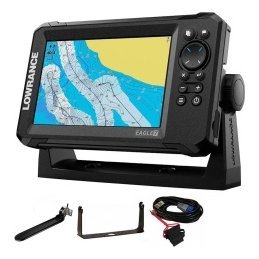
Place the display where the driver can see it and reach the controls, such as on the console or a side rail. For fishing at the bow or stern, consider a removable or portable unit on a mount. Make sure the screen is visible in sunlight and not in the path of passengers. A tilt-and-swivel bracket helps you adjust the angle.
Protect from the sun
Use a visor or cover, and shade the display when parked.
Keep it dry
Place electronics away from spray and drips, and use covers during storms.
Power and wiring
Run power from a battery through a fuse or breaker, and follow the manufacturer’s instructions for wire size. Many pontoons have a house battery and a starting battery, so choose which to use and consider isolating electronics from the starting circuit to avoid voltage spikes. Use sealed connectors, tidy cable runs and clips to keep wires out of the way. Our boat wiring basics guide covers fundamentals.
Avoid noise
Keep power and transducer cables apart, and avoid running them beside motor or lighting wires. Noise appears as lines or speckles on the screen. See our fish finder troubleshooting guide.
Plan for accessories
Add a fuse panel or switch if you plan to install lights, cameras and other devices. See our boat navigation lights guide.
Safety and comfort
A pontoon is great for families, so keep life jackets accessible and walkways clear. Mount electronics where they will not trip or injure anyone, and secure loose cables. Check weather before heading out, and avoid overloading the boat. See our solo fishing safety guide for more tips.
Use cameras and extras
A camera on a rail captures family catches and scenic cruises, while a second display at the bow helps with casting. Use floating handles and tethers for safety, as explained in our floating cases and handles guide. Photograph fish responsibly and release them quickly, as covered in our photograph your catch guide.
Common mistakes
- Mounting the transducer in turbulent water.
- Running cables beside noisy wiring.
- Putting the screen in glare or spray.
- Forgetting a fuse.
- Ignoring family safety.
A sample pontoon install plan
Start by deciding on a primary location for the display, usually at the helm. Measure the space, check the dash for room and note the nearest battery. Next, choose a transducer location on the transom or tube, and run a test with a temporary mount at speed to confirm clean readings. Plan a cable route that follows existing wiring channels, away from the motor and lighting wires, with clips every foot or so. Install a fuse near the battery, use sealed connectors and label the wires. Mount the display with a bracket that lets you tilt away from glare, power it up and test sonar and GPS at the dock. Finally, record part numbers and settings in your notes.
Test on the water at different speeds
Run slowly, at cruising speed and at idle, and watch the bottom line and depth reading. If readings drop out, move the transducer or adjust its angle.
Keep spares on board
A spare fuse, a few connectors and a small tool kit let you fix minor problems without ending the trip.
Frequently asked questions
What size fish finder suits a pontoon?
Many owners choose seven to nine inches, but choose based on readability and budget.
Where should I mount the transducer?
On the transom, a tube bracket or a trolling motor, in smooth water.
Do I need GPS?
It is highly useful on larger lakes and for waypoints.
Can I add a second display?
Yes, many systems support more than one screen.
Fish comfortably from your pontoon
A well-planned fish finder for pontoon boats gives you clear readings, a tidy install and a safe family platform. Choose the right unit, mount the transducer carefully and wire with care. Browse fish finders and accessories in our shop and contact us if you would like help choosing a set-up.
Related reading from Fishtrail Outfitters
- Fish Finder for a Jon Boat: A Simple, Affordable and Portable Setup
- Bass Boat Electronics Setup: Console, Bow Unit and Transducer Layout
- Fish Finder Transducer Guide: Types, Mounting and Getting a Clear Signal
- Kayak Fish Finder Guide: How to Choose and Mount One on a Kayak
- What Is in the Box? Fish Finder Packages, Transducers and What You Still Need
Products mentioned in this guide
- Lowrance Eagle 5 CHIRP Splitshot Gps Fishfinder + 455/800 KHz Transducer
- Lowrance Eagle 5 CHIRP HDI Gps Fishfinder + 83/200/455/800 KHz Transducer
- Lowrance Eagle 5 CHIRP HDI Gps Fishfinder + 50/200/455/800 KHz Transducer
Further reading: GoPro official website · Take Me Fishing: how to get started and where to fish
Questions before you buy? Contact Fishtrail Outfitters or browse the shop.