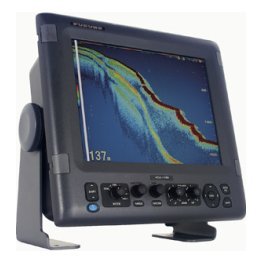
Screen size is one of the first decisions anglers make, and the 7 inch fish finder has become a popular middle ground between compact and large. It is big enough for useful split views of sonar and a map, yet small enough to fit on many consoles and to draw modest power. But the best size depends on your boat, your eyesight, your fishing style and your budget, not only on what is popular. This guide compares 5, 7 and 9 inch screens, explains what you gain and give up with each size, discusses mounting space, readability, resolution and power, and offers a simple way to decide so that you buy a display that fits your boat and your needs.
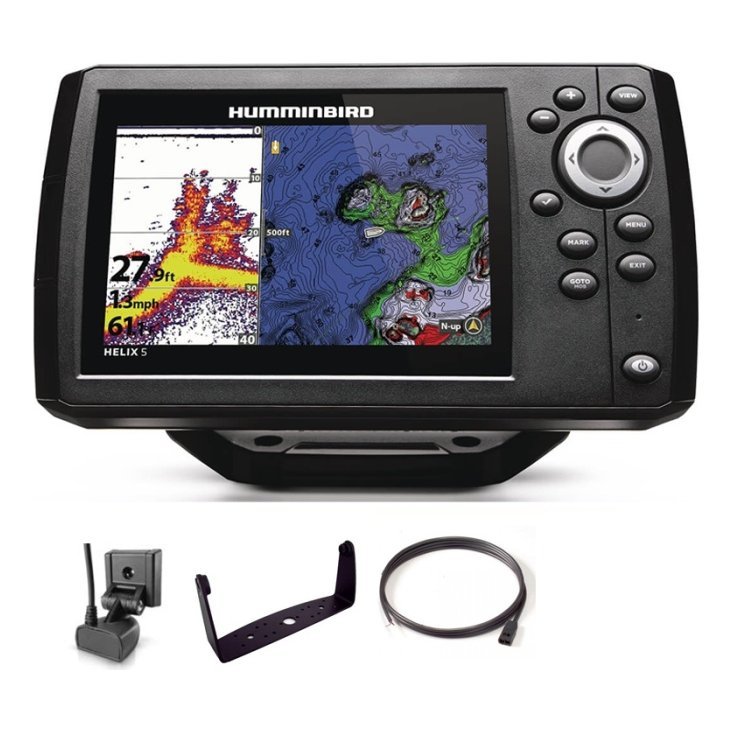
Why screen size matters
How much you can see
A bigger screen shows more detail and more windows at once. A smaller screen shows fewer details but is simpler.
Where it fits
Your console or dash limits size. Measure before you buy.
Power and cost
Larger screens generally cost more and use more power.
The 5 inch fish finder
Strengths
Compact, efficient and affordable. It suits kayaks, small boats and anglers who want simplicity.
Limits
Split views feel cramped, and detail is smaller. Reading fine marks needs care.
Best for
Kayaks, jon boats and portable setups. See our kayak fish finder guide and jon boat guide.
The 7 inch fish finder
Strengths
A 7 inch fish finder offers room for a comfortable split view, such as sonar beside a map, and it fits many small to mid-size boats.
Limits
It may still feel tight for three-panel layouts, and it costs more than smaller sizes.
Best for
Small to mid-size fishing boats, pontoons and anglers who want a balance. See our pontoon boat guide.
The 9 inch and larger
Strengths
More detail and room for multiple views, ideal when you want sonar, imaging and charts at once.
Limits
Takes more space and power, and costs more.
Best for
Bigger boats and anglers who use imaging heavily. See our bass boat electronics guide.

Resolution and brightness
Pixels matter
A smaller screen with high resolution can look sharper than a larger one with low resolution.
Brightness in sun
Screens that are readable in direct sun matter more than size. Check reviews and descriptions.
Viewing angle
A wide viewing angle helps if you view the screen from the side.
Split views
What you can show
Common splits include sonar and chart, 2D and imaging or two frequencies. A 7 inch screen handles two panels well.
Readability
Check how each panel looks. If text and marks look cramped, consider a larger size.
Customising layouts
Look for units that let you save layouts. See our fish finder settings guide.
Boat type and mounting
Kayaks and small boats
Choose compact screens that mount securely and draw little power.
Pontoons and mid-size boats
A 7 inch screen often fits neatly and offers good visibility.
Larger boats
Choose bigger screens or multiple displays. See our marine electronics setup guide.
Bracket versus flush mount
Check your mounting options. See our fish finder mount guide.
Power and wiring
Battery draw
Bigger screens use more power. Plan your battery. See our boat wiring basics.
Cable runs
Consider where the display will sit and the length of cables you need.
Features that matter beyond size
Sonar type
CHIRP and imaging matter as much as screen size. See our CHIRP guide.
GPS and maps
Built-in GPS makes a bigger screen more useful. See our fish finder with GPS guide.
Controls
Touch or keys, depending on your preference.
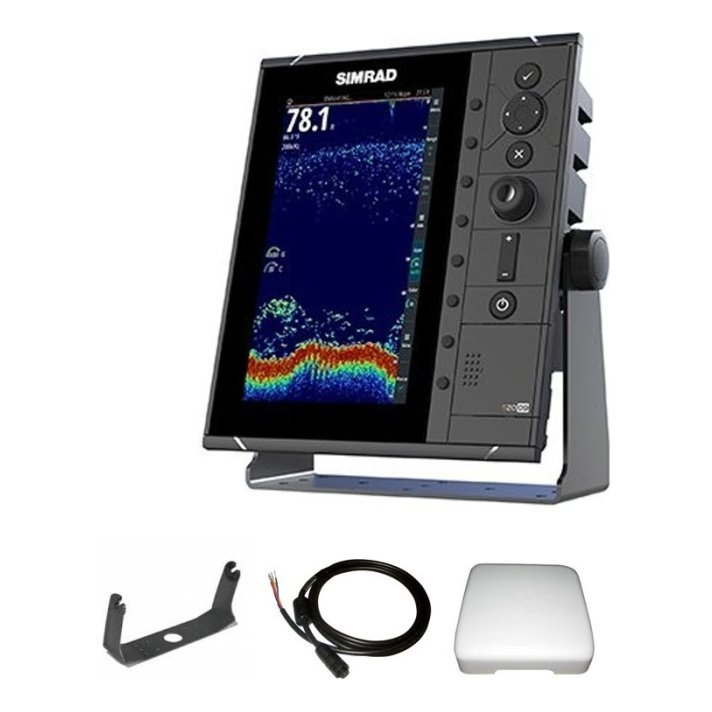
How to decide
- Measure your mounting space.
- List the views you want at once.
- Consider viewing distance and eyesight.
- Check your battery and wiring.
- Set your total budget.
Try it in practice: a quick decision exercise
Cut a piece of cardboard to the size of each screen you are considering and hold it where the display would sit on your console. Sit in your normal position and see how it looks. Check whether it blocks your view of the water, whether you can reach the buttons and whether you can read it from your usual distance. Imagine a split view and think about how large each panel would be. This small test is more reliable than any chart, and it helps you avoid the common regret of buying a screen that is either too big for the console or too small to read comfortably.
Think about your eyesight
Vision matters. If you find small text hard to read, a larger screen or a higher-contrast display may suit you better. If you wear sunglasses, check that polarised lenses do not make the screen hard to see at certain angles.
Consider future upgrades
If you expect to add GPS charts, imaging or a second screen later, think about whether your first purchase can grow with you. A 7 inch display with GPS is a flexible base for many anglers who start small and expand over time.
Matching size to species and technique
Anglers who cast to structure often benefit from a larger screen for imaging, because details matter. Trollers like a clear speed and chart panel alongside sonar. Panfish anglers in small boats may be perfectly happy with a smaller display. Think about which view you rely on most, and choose the size that shows it clearly. The right size is not about impressing anyone but about reading your screen quickly while you fish.
Frequently asked questions
Is a 7 inch fish finder big enough?
For many small and mid-size boats, yes.
Is 9 inch better than 7?
It shows more, but costs more and needs more space.
Can I use a 5 inch fish finder with GPS?
Yes, but split views are smaller.
Does screen size affect sonar quality?
Not directly. Sonar quality depends on the transducer and electronics.
Pick the size that suits your boat
A 7 inch fish finder is a versatile choice, but the best size is the one that fits your boat, your eyes and your budget. Measure, compare and think about how you will use the screen. Browse fish finders in our shop and contact us if you would like help choosing a size.
Related reading from Fishtrail Outfitters
- Best Fish Finder for Beginners: How to Choose Your First Sonar
- Kayak Fish Finder Guide: How to Choose and Mount One on a Kayak
- How to Read a Fish Finder: A Beginner’s Guide to Sonar Screens
- Lowrance vs Humminbird: Which Fish Finder Brand Is Right for You?
Products mentioned in this guide
Further reading: Take Me Fishing: how to get started and where to fish
Questions before you buy? Contact Fishtrail Outfitters or browse the shop.