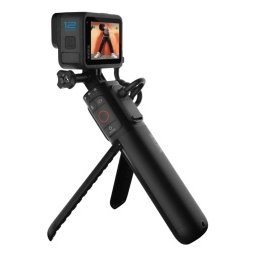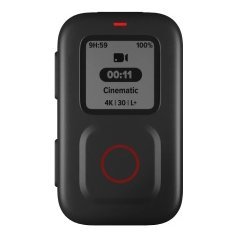
Shooting from a boat gets most of the attention, but shore fishing camera mounts are what make bank and pier footage look professional. Without a mount, you rely on a friend or a shaky hand, and you miss the casting, bites and fights that make the best clips. With the right tripod, clamp or rod pod, you can capture steady wide shots, close-ups of the rod tip and even time lapse of the water. This guide explains the main types of mounts and tripods, how to choose for sand, rock, grass and pier, where to place cameras for the best angles, how to keep gear safe from water, wind and theft, how to power and protect cameras, and how to stay safe near the edge.
Why shore fishing camera mounts matter
Shore fishing offers many solid places to mount a camera, but also many hazards: wet sand, wind, tide and slippery rocks. A handheld camera is shaky, and leaving it on the ground risks dirt and drops. A good mount holds the camera still, keeps it out of the way and lets you concentrate on fishing. It also lets you film yourself, which is hard otherwise.
Steady footage is easier to watch
Shaky video is tiring. Stable shots make your fishing look professional, and they make editing easier. See our guide to editing fishing videos.
Hands-free filming
A mounted camera can record the cast, the strike and the retrieval while you hold the rod.
Types of mounts and tripods
There are many options, and a small kit often covers most situations.
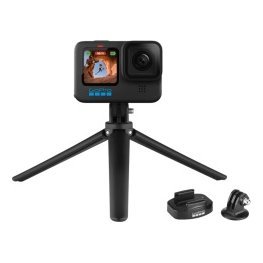
Compact tripods
A lightweight tripod with adjustable legs works on sand, grass and rock. Choose one that is stable in wind and can be weighed down with a bag or a rock. Flexible-leg tripods wrap around posts, branches and rails.
Clamps
Clamps attach to rails, posts, chairs and rod holders. They are small and quick, but check grip strength and protect the camera from pressure. See our GoPro boat mount guide for similar clamps.
Rod pods and bank sticks
If you use a rod pod or bank stick, a small arm or clamp can hold a camera nearby. This is a good way to film a rod tip or a line.
Suction and adhesive mounts
Suction cups work on smooth surfaces such as vehicle windows, while adhesive mounts suit flat gear. Test them carefully, since a falling camera is costly.
Chest and body mounts
For a first-person view while casting and wading, see our GoPro chest mount guide.
Choose by location
Different shores need different gear. On sand, use a tripod with wide feet or a sandbag. On rock, use a flexible-leg tripod or clamp, and take care with wet surfaces. On a pier, clamp the camera to a rail if rules allow, and keep it out of walkways. On grass or mud, raise the camera off the ground so splashes and dirt do not reach the lens.
Wind and tide
Wind can topple lightweight tripods, and tide can cover the ground quickly. Check conditions and keep gear above the wash line.
Respect rules and others
Do not block paths or spots, and follow local rules on equipment and structures.

Where to place the camera
Choose angles that tell the story. A wide shot from behind shows the angler, rod and water. A side view shows the cast. A low angle near the rod tip shows strikes. A second camera pointed at the water can capture the fish and the landing. Frame with the horizon level and leave space for movement.
Think about light
Keep the sun behind or beside the camera to avoid glare and silhouettes. Early and late light gives the nicest colour.
Plan for time lapse
A mounted camera is ideal for time lapse of sunrise, tides or a day on the bank. See our GoPro time lapse guide.
Protect the camera from the elements
Shore environments are hard on cameras. Sand, salt, spray and mud can jam doors and scratch lenses. Keep a cloth handy, wipe the lens regularly and rinse after saltwater use, as explained in our saltwater protection guide. Use a tether or strap so wind or a wave cannot carry the camera away, and consider a case in rough conditions. See our waterproof case guide.
Power and storage
Long sessions need power. Use a power bank or spare batteries, as explained in our power handle guide, and carry spare memory cards. See our memory card guide.
Theft
Do not leave cameras unattended in public places. Keep valuables in sight, and use quick-release mounts so you can take the camera with you.
Safety near the water
Never climb or lean over edges to place a camera. Keep tripods out of walkways, avoid wet rocks and watch for waves. Do not film where you cannot stand safely. Keep a lookout for changing tide and weather, and tell someone where you are going. Our solo fishing safety guide offers more advice.
Think about bystanders
Be considerate when filming in public. Avoid pointing cameras at people without their consent.
Build a simple shore kit
A basic kit may include a small tripod, a clamp, a flexible mount, a tether, a microfibre cloth, spare batteries and a power bank. Pack it in a small bag that lives with your fishing gear. See our GoPro voice control guide for hands-free recording that works well from the bank.

Common mistakes
- Using a flimsy tripod in wind.
- Placing the camera where the tide can reach it.
- Letting sand and salt build up on the lens.
- Leaving gear unattended.
- Taking risks to get a shot.
A setup routine for the bank
Arrive early and walk the spot. Decide where you will fish and where the camera will sit, keeping paths clear. Set up the tripod on firm ground, level it, attach the camera and frame the water. Add a sandbag or a rock to the centre hook for stability. Check the lens, start a short test clip and review it before settling in. During the day, glance at the camera now and then to be sure it is still level and the lens is clean. Finish by packing the camera first, so it is not forgotten or knocked over as you collect your tackle.
Use a second angle when you can
A second camera on a clamp near the rod tip adds variety. Cut between the wide shot and the close-up in editing.
Keep notes
Write down where you placed the camera and which angles worked. Next time you will set up faster and get better footage.
Frequently asked questions
What is the best tripod for shore fishing?
A sturdy, compact tripod with adjustable legs that can be weighed down.
Can I clamp a camera to a rod holder?
Often yes, if the clamp fits and does not damage the holder.
Do I need a case on shore?
Not always, but a case helps in spray and sand.
How do I keep the camera steady in wind?
Lower the tripod, add weight and use a tether.
Capture your day on the bank
The right shore fishing camera mounts turn shaky snapshots into steady stories. Choose a tripod and clamps that suit your location, plan your angles, protect your gear and put safety first. Browse camera accessories in our shop and contact us if you would like help building a shore kit.
Related reading from Fishtrail Outfitters
- GoPro Boat Mount Guide: Where to Attach Your Camera for Great Fishing Video
- GoPro Kayak Fishing Setup: Mounts, Tethers and Camera Angles
- GoPro Voice Control and Remote: Record Without Taking Your Hands Off the Rod
- Power Handles for GoPro: USB Mounts and Longer Recording on the Water
Products mentioned in this guide
- GoPro camera mounts for tripods
- GoPro camera mount with extendable clamp
- Adhesive GoPro camera mounts
Further reading: GoPro official website · Take Me Fishing: how to get started and where to fish
Questions before you buy? Contact Fishtrail Outfitters or browse the shop.