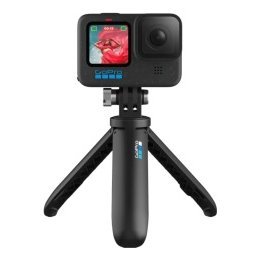
A camera is only as good as its mount, and a GoPro boat mount has to survive vibration, spray, wind and the occasional bump from a net or a boot. A poor mount produces shaky video or, worse, a camera at the bottom of the lake. A good one holds steady at speed, puts the lens exactly where you need it and lets you reposition quickly when the fishing changes. This guide explains the main types of boat mount, where to place cameras for different kinds of shots, how to secure them against loss, and how to avoid the common mistakes that ruin footage and equipment.
The main types of GoPro boat mount
Each mount type suits particular surfaces and jobs.
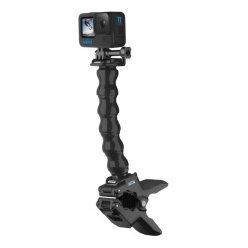
Clamp mounts
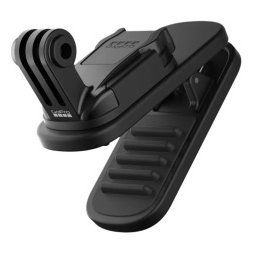
Clamp mounts grip rails, poles, rod holders and other tubular parts. They are secure, adjustable and quick to move, which makes them the most versatile choice for boats. Look for a clamp with a solid locking mechanism and a wide opening that fits your railings.
Suction cup mounts
Suction mounts stick to smooth, clean, non-porous surfaces such as glass, gel coat and some plastics. They are convenient and need no tools, but they can lose grip in vibration, heat or on dirty surfaces. Use a tether as a backup and test them before relying on them at speed.
Adhesive mounts
Flat or curved adhesive mounts stick to hulls, helmets and consoles. They are very secure when applied correctly, but they are semi-permanent and not suited to surfaces you do not want to mark.
Pole and extension mounts
A short pole lifts the camera above the console or out over the water for a different angle. Poles extend your reach but increase vibration, so choose a stiff, well-clamped design.
Rod mounts
A mount on the rod captures the fight from the angler’s point of view. It needs to be light and well balanced so it does not affect casting.
Where to place cameras on a boat
Position determines what the viewer sees.
Over-the-shoulder view
A camera mounted behind or beside the angler shows the cast, the fight and the net. It tells the story of the trip.
Rod tip and rod holder views
A camera near the rod holder shows strikes and rod bends, especially while trolling. Combined with a second angle, it gives you a clear record of the catch.
Bow and stern views
A bow-facing camera shows the approach to a spot, which is great for time-lapses. A stern-facing camera records the wake and lines in trolling. See our guide to trolling with a fish finder for ideas.
Console and dash view
A camera on the console can capture the screen and your reaction, which is helpful if you want to show sonar and GPS in your videos.
Underwater views
A camera on a pole or line can show lures and fish below the surface. Read our underwater fishing camera guide.
Keeping the camera safe
Losing a camera hurts, so plan for it.
Use tethers
Attach a lanyard or a floating strap between the camera and the boat. Even a loose tether can save a camera if a mount fails.
Check every clamp
Tighten and test each mount before you leave the dock. Give the camera a firm tug to simulate a wave.
Consider a floating handle or case
A floating accessory keeps the camera buoyant if it falls overboard. See our GoPro floating case and handle guide.
Protect from salt and sun
Rinse mounts and cameras with fresh water, and remove them from direct heat when possible. Our guide to protecting a GoPro from saltwater has more details.
Reducing vibration and shake
Steady footage requires a steady mount.
Short and stiff beats long and flexible
The shorter the extension, the less the camera moves. Use poles only when you need them, and keep them well clamped.
Use stabilisation
In-camera stabilisation reduces shake, but it works best with a solid mount. See our GoPro settings guide.
Add foam or rubber damping
A small rubber pad between clamp and rail can absorb vibration.
Mounts for different boats
Aluminium boats and jon boats
Rails and seat frames offer plenty of clamp points. Check for sharp edges that can cut straps.
Kayaks
Use low-profile mounts on scupper holes, tracks or paddle holders. See our GoPro kayak fishing setup.
Bass boats and pontoons
Large decks provide lots of options, including bow, console and stern positions.
Inflatable boats
Avoid adhesive mounts on fabric, and use clamps on D-rings and frames.
Power and storage on a boat
A camera on a boat may record for hours.
Power handles and USB mounts
They extend run time, as our GoPro power handle guide explains.
Memory cards
Use a fast, reliable card. See memory cards for action cameras.
Common mounting mistakes
- Mounting on a loose rail or panel.
- Using suction cups on dirty, textured or hot surfaces.
- Skipping tethers.
- Pointing the camera into the sun.
- Forgetting to check that the lens is clean.
Matching a mount to a camera angle: a quick plan
Before you clamp anything, decide on the shots you want. If you want a story of the day, use one wide camera behind the angler and a second pointing at the rod tip or rod holder. If you want a time-lapse of a morning on the water, a stationary mount on the bow or console is enough. If you want an underwater view, use a pole or a line and a floating handle. Draw the plan on a note and test each position at the dock with the camera’s screen or app, since framing is easier to adjust before the boat is moving.
Test before you rely on it
Run the boat at the speeds you will use and review a short clip. Check for shake, glare and sea spray on the lens, then adjust the angle and tighten the mount. A few minutes of testing makes the difference between usable footage and a card full of wobble.
Cleaning and caring for your mounts
Mounts are simple, but they need care. Rinse clamps and joints with fresh water after salt use, because corrosion can seize the screws. Wipe suction cups and flat surfaces to remove dust and grease, and replace worn rubber pads. Check every knob and screw for wear, and keep a small set of spares in your camera bag. A well-maintained mount stays strong, keeps your camera safe and saves you from the sinking feeling of watching a camera disappear into deep water.
When to use more than one mount
Some trips deserve a multi-camera approach. Two cameras on different mounts let you cut between a wide view of the angler and a close view of the rod, and a third pointing forward gives a sense of the water ahead. The trade-off is the extra time to set up, charge and review footage, so reserve multi-camera filming for special days such as a milestone catch, a family trip or a tournament. For everyday fishing, a single well-placed mount is plenty, and the simplicity means you will use it far more often than a complicated rig that stays in the garage.
Frequently asked questions
What is the best GoPro boat mount?
A strong clamp is the most versatile for boats, with suction or adhesive mounts for specific uses.
Will a suction mount hold at speed?
It may, but conditions vary. Use a tether and test first.
Can I mount a GoPro on a trolling motor?
Yes, with a suitable clamp, but keep cables and weight in mind.
How many cameras should I use?
One or two cover most needs, with a second angle adding variety.
Getting the angle right
Choosing the right GoPro boat mount, placing it carefully and tethering it securely gives you steady, safe and engaging fishing video. Browse mounts and accessories in our shop, and contact us for help choosing the right combination for your craft.
Related reading from Fishtrail Outfitters
- Best GoPro for Fishing: What to Look For and How to Set It Up
- Underwater Fishing Camera Guide: How to Film Below the Surface with a GoPro
- GoPro Kayak Fishing Setup: Mounts, Tethers and Camera Angles
- GoPro Chest Mount for First-Person Fishing Video: Setup and Tips
- Shore Fishing Camera Mounts and Tripods: Stable Shots from the Bank
Products mentioned in this guide
Further reading: GoPro official website · Take Me Fishing: how to get started and where to fish
Questions before you buy? Contact Fishtrail Outfitters or browse the shop.