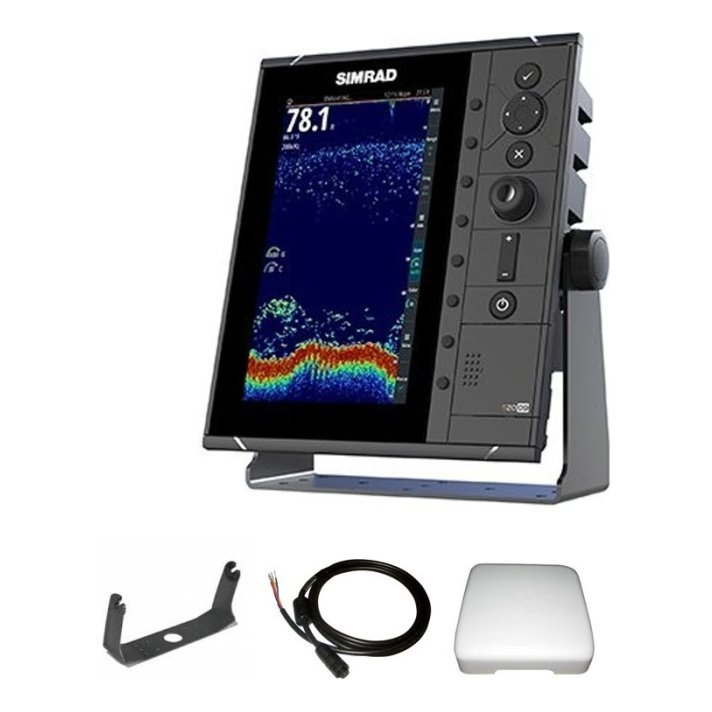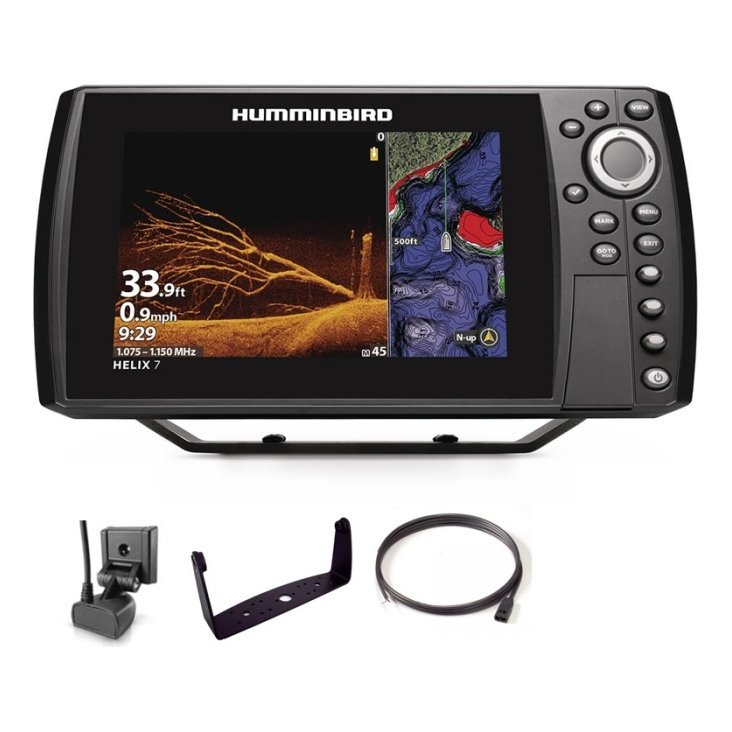
A jon boat is simple, light and cheap to run, and the best fish finder for a jon boat follows the same philosophy: compact, easy to mount, easy to power and easy to remove. Jon boats have little space, flat floors, low sides and often no built-in electrical system, so complicated installations make little sense. A small display, a portable battery and a transom or clamp-on transducer can transform your fishing without turning the boat into a project. This guide explains how to choose a unit, how to power it safely, how to mount the transducer and screen, how to keep everything dry and secure, how to carry and store it, how to use basic settings effectively, and how to avoid common mistakes on small boats.
Why jon boats suit simple setups
Jon boats are used on small lakes, ponds and rivers, where depth, structure and weeds matter more than long-range navigation. They are often launched from the bank or a ramp, and may be stored on a trailer or in a garage. A permanent installation can be unnecessary, and a portable system avoids theft and weather exposure. The boat’s flat bottom and low sides also make it important to keep weight and clutter to a minimum.
Think light and portable
Every pound matters on a small boat. Choose a unit and battery that are easy to carry and safe to handle.
Think simple controls
Gloves, spray and movement make complicated menus frustrating. Choose clear buttons or a responsive touchscreen.
Choose a fish finder for a jon boat
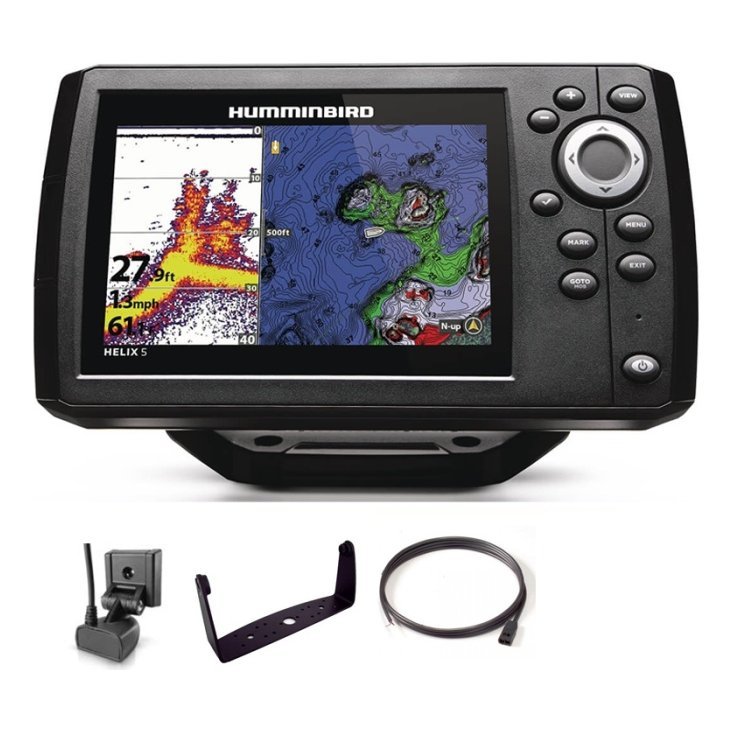
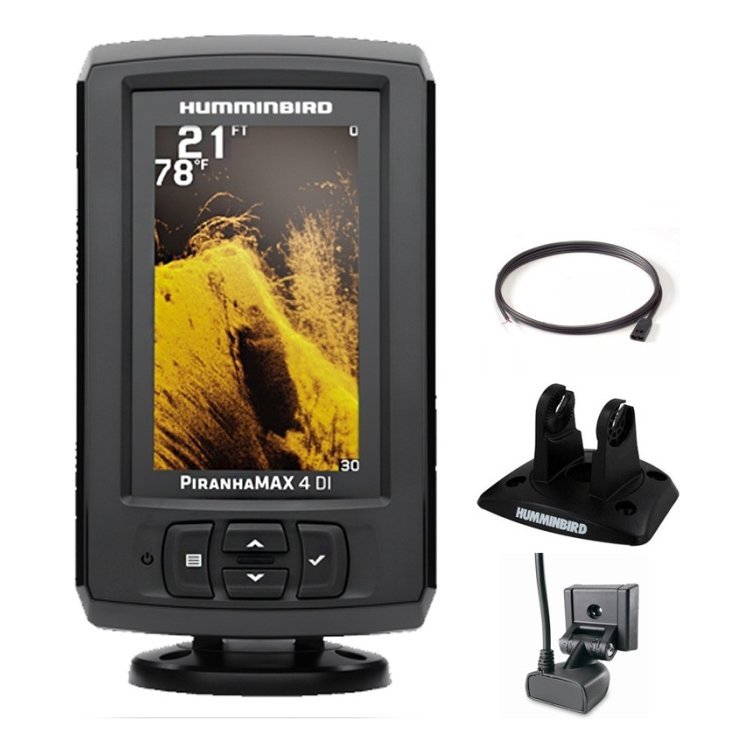
Compact units with four- to five-inch screens are popular, and some come with portable kits that include a battery and a case. Look for a bright, readable display, simple sonar views and built-in GPS if you want waypoints. Consider whether you need side imaging, which may be more than a small pond requires. See our fish finder basics guide, portable fish finder guide and fish finder settings guide.
Budget considerations
A basic unit can deliver big benefits, so spend wisely. Allow some budget for the transducer mount, cables and a battery.
GPS and waypoints
Even a simple GPS helps you mark spots and return to them. See our marine GPS waypoints guide.
Power a jon boat setup safely
Many jon boats have no battery, so a small sealed battery in a protective box is a popular solution. Choose a battery with enough capacity for a day on the water, add an inline fuse and use sealed connectors. Keep the battery low and secure, away from water and loose gear, and charge it after each trip. See our boat wiring basics guide.
Keep battery dry
Use a case or box with a lid, and place it on a non-slip mat. Do not let it slide around.
Avoid noise from the outboard
If you use an outboard, keep the fish finder wires away from motor cables to reduce interference. See our fish finder troubleshooting guide.
Mount the transducer
A transom mount is the simplest option. Clamp or bolt the bracket to the transom, and set the transducer slightly below the hull, aimed straight down. Keep it out of turbulence from the motor, and test at different speeds. If you drift or use a trolling motor, a bow or motor mount may help. Avoid mounting in spray or where it can hit the bottom. See our fish finder transducers guide and fish finder mounting guide.
Use a temporary mount
Clamp-on brackets let you remove the transducer after each trip, which protects it and prevents theft.
Protect the cable
Route cables along the side and clip them down, so that they do not catch on your feet or lines.
Mount the display
Place the display where you can see it from the seat, but away from where you step or cast. A small bracket on a seat, a rail or a portable stand works well. Tilt it to avoid glare, and use a cover or visor in sun. Keep it dry and secure, and consider a removable mount. See our summer boating electronics guide.
Keep controls reachable
You should be able to adjust settings without leaning or leaving the tiller.
Use basic settings effectively
Start with automatic mode, then adjust sensitivity and range once you understand what you see. Watch for bait, structure and depth changes, and mark productive spots. Use a clear, simple view rather than many windows at once. A small unit is easier to read when the screen is not cluttered.
Learn on a familiar pond
Practise in water you know, so you can compare what the screen shows with what you know is below.
Safety on a small boat
Wear a life jacket, keep weight low and balanced, and avoid standing in a jon boat. Secure electronics so they do not slide or tip. Check the weather and avoid wind and waves. See our solo fishing safety guide and boat navigation lights guide.
Keep wiring tidy
Loose wires can trip you or tangle with lines. Clip them and keep them short.
Add a camera
A small camera on a rail or a pole can record your day and your catches. Use a tether and floating handle, as explained in our floating cases and handles guide, and see our GoPro boat mount guide.
Common mistakes
- Mounting the transducer in turbulence.
- Using an unfused battery.
- Leaving gear in the boat unprotected.
- Choosing a unit that is too large.
- Letting cables tangle.
A day on a pond with a small system
Picture a morning on a small pond. You load the boat with a rod, a tackle box, a life jacket and a battery box. At the ramp you clamp the transducer to the transom, clip the cable along the side and place the display on a small seat bracket. You switch on, check that depth reads sensibly and let the boat drift. The screen shows a drop-off and a cluster of marks near a submerged tree. You mark the waypoint, fish it carefully and catch several fish. At the end of the day you rinse the transducer, remove the battery and display and take them home. This simple routine means no permanent wiring, no exposure and no theft risk, and it costs very little.
Protect the gear in storage
Store the unit in a dry place at room temperature and charge the battery regularly. Check connectors for corrosion before each season, as described in our spring electronics checklist.
Upgrade only when you need to
If you outgrow a basic unit, you can move to a larger screen or add side imaging later. Starting small helps you learn what you really need.
Frequently asked questions
What size screen suits a jon boat?
Many owners choose four to five inches for portability and simplicity.
Do I need GPS?
It is helpful for marking spots, but not essential on very small waters.
Can I use a portable kit?
Yes, and it is a popular choice for small boats.
How do I stop theft?
Remove the unit and battery after each trip.
Keep it simple and fish more
A well-chosen fish finder for a jon boat is light, simple and effective. Pick a compact unit, a safe portable battery and a secure transducer mount, and keep wiring tidy. Browse fish finders and accessories in our shop and contact us if you would like help building a small-boat set-up.
Related reading from Fishtrail Outfitters
- Kayak Fish Finder Guide: How to Choose and Mount One on a Kayak
- Marine Electronics Budget Guide: How to Spend Wisely on Your Boat Setup
- Fish Finder for Pontoon Boats: Mounting, Power and Transducer Tips
- Bass Boat Electronics Setup: Console, Bow Unit and Transducer Layout
- Fish Finder Mounts: Bracket, Flush and Portable Options Compared
Products mentioned in this guide
- Lowrance Eagle 5 CHIRP Splitshot Gps Fishfinder + 455/800 KHz Transducer
- Deeper Start Portable Fishfinder
- Lowrance Eagle 5 CHIRP HDI Gps Fishfinder + 83/200/455/800 KHz Transducer
Further reading: GoPro official website · Take Me Fishing: how to get started and where to fish
Questions before you buy? Contact Fishtrail Outfitters or browse the shop.