Boating in fog is one of the most demanding conditions a recreational boater or angler can face, because it removes the single most important navigation tool: your eyes. Landmarks vanish, distances become impossible to judge and other boats may appear without warning. GPS and chartplotters help enormously, but they do not show other vessels, floating debris or the edge of a channel, so they supplement, never replace, caution. This guide explains how to prepare for fog, when to stay ashore, how to slow down and set a lookout, how to use GPS, sonar and charts, how to use sound signals and lights, what to do if you are caught in fog and how to build habits that keep you safe. Follow local regulations at all times.

Boating in fog: decide whether to go
Check the forecast
Fog often forms in calm, cool, humid conditions, especially in the morning and over cold water. Check forecasts and local reports.
Consider your experience
If you are inexperienced, do not take risks in fog. The safest choice is often to wait.
Know your limits
Set a rule in advance, such as postponing if visibility is below a set distance. Rules remove the need to decide under pressure.
Prepare your boat
Lights and sound signals
Make sure your navigation lights and sound device work. Our navigation lights guide explains the basics.
Electronics
Charge batteries, update charts and check GPS and sonar. See our marine electronics maintenance guide.
Safety gear
Life jackets, a first aid kit, a flashlight and a fully charged phone or VHF are essential. See our VHF radio basics guide.
A float plan
Tell someone where you are going and when you will return. See our boat navigation safety basics.
Slow down and keep a lookout
Reduce speed
Run at a speed that lets you stop in the distance you can see. Slower speed also reduces noise so that you can hear.
Post a lookout
Ask a passenger to watch and listen. Assign roles so that someone watches the screen and someone watches the water.
Listen
Listen for horns, engines and waves. Turn off music and keep conversation low.
Stay out of channels where possible
Large vessels cannot stop quickly. Keep clear of commercial lanes, and cross them at right angles.
Use GPS, charts and sonar
Know your position
A chartplotter shows where you are on the chart. See our how to read nautical charts guide.
Follow a planned route
Follow a route you planned in clear weather, and use waypoints for safe points. See our marine GPS waypoints guide.
Use sonar for depth
Sonar shows depth and bottom contours, which helps confirm your position and keep you in safe water. See our fish finder with GPS guide.
Set alarms
Use shallow-water and off-course alarms. See our GPS anchor alarm guide.
Cross-check
Compare GPS, chart and depth. If they disagree, slow down or stop.

Use sound signals and lights
Sound signals
Use your horn or whistle as required by local rules, and listen for signals from other vessels.
Navigation lights
Turn on lights so that others can see you. Use an all-round white light if your boat requires it.
Radar reflector or radar
A radar reflector helps radar-equipped vessels detect you. Radar helps you see other boats, but it requires training.
If you are caught in fog
Do not panic
Slow down and take stock. Check your position on the chart.
Reduce speed or stop
If you cannot navigate safely, stop in a safe place or anchor out of channels. Use your anchor alarm.
Call for help if needed
Use a VHF radio or phone if you are in trouble.
Return by a known route
Follow your track back or head to a known safe point.
Use a backup
Compass
A compass shows heading even when electronics fail. See our marine compass backup navigation guide.
Handheld GPS
A second device gives redundancy. See our handheld GPS guide.
Paper chart
A paper chart is a reliable reference when screens fail.
Fishing in fog
Take extra care
Fish may bite well in low light, but safety comes first. Do not drift into hazards.
Anchor in safe spots
Choose spots away from traffic, and keep alarms on.
Know when to stop
If visibility worsens or conditions change, stop fishing and head home.

Common mistakes
- Going too fast.
- Trusting GPS alone.
- Forgetting lights and sound signals.
- Not telling anyone.
- Leaving it too late to return.
Practise before you need it
The worst time to learn a new skill is when visibility drops. On a clear day, practise navigating with your chartplotter only, using waypoints and routes, and compare what you see on the screen with the landmarks around you. Practise using your horn, lights and radio. Practise reading depth and following a track back to the ramp. Try a short trip on a hazy morning with a more experienced boater who can coach you. These exercises build confidence and reveal gaps in your equipment or knowledge while the stakes are low.
Create a fog plan
Write a brief plan and keep it on board: the heading and distance to your ramp from your main fishing areas, safe anchorage points, the VHF channel to use and the contact number of someone ashore. Share it with everyone on board, so that if you must act, the plan is already there.
Know the signs
Fog often follows temperature changes, so watch for falling air temperature, rising humidity and a fading horizon. If you see fog forming in the distance, head back early. Turning round before fog arrives is far easier than finding your way once it is thick.
Fog and electronics: what to expect
Fog does not affect GPS or sonar, so your position and depth remain accurate. Screens may be harder to read if moisture collects, so wipe them and keep them dry. Keep electronics powered and monitor batteries, because lights, a horn and a radio all draw current. If you use a camera, expect low contrast and consider skipping filming to focus on safety. Our fishing video tips can wait for a clearer day.
Frequently asked questions
Is it safe to boat in fog?
It can be dangerous. Take extra care or postpone.
Can GPS keep me safe in fog?
It helps, but it does not show other boats or debris.
Do I need radar?
It can help, but it is not required for every boat.
What should I do if fog rolls in?
Slow down, switch on lights, use GPS and a lookout, and head to safe water.
Respect the fog
Boating in fog demands patience, preparation and a willingness to stay ashore. Use GPS, sonar and charts as tools, keep a lookout, slow down and follow your plan. Browse GPS units and safety gear in our shop and contact us for help choosing equipment.
Related reading from Fishtrail Outfitters
- Boat Navigation Safety Basics: Using GPS, Charts and Common Sense
- Night Fishing Electronics: Use Sonar, GPS and Lights Safely
- Sailboat and Cruiser Electronics Basics: Depth, GPS and Backup Navigation
- Marine GPS Chartplotter Buying Guide: Features, Sizes and What to Skip
Products mentioned in this guide
- Fishfinder Furuno FCV 600
- Fishfinder Furuno FCV 800
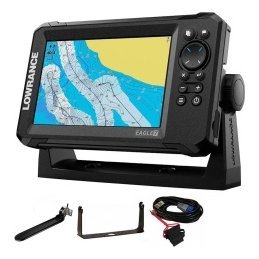
- Lowrance Eagle 5 CHIRP Splitshot Gps Fishfinder + 455/800 KHz Transducer
Further reading: U.S. Coast Guard Navigation Center · U.S. Coast Guard boating safety resources
Questions before you buy? Contact Fishtrail Outfitters or browse the shop.