Most boating problems that happen at the ramp are preventable, and a clear boat launch checklist is the best prevention. A launch involves several stages, each with its own risks: preparing the boat and trailer at home, driving to the ramp, getting ready in the staging area, launching, testing the boat and electronics, and later retrieving everything safely. Missing the drain plug, forgetting the tie-down or discovering a dead battery at the water are small errors with large consequences. This guide gives you a checklist for each stage, including trailer checks, safety gear, ramp etiquette and a quick test of your fish finder, GPS and other electronics, so that you spend less time fixing problems and more time fishing.
Boat launch checklist: before you leave home
Check the trailer
Inspect tyres and pressure, wheel bearings, lights, brakes where fitted, safety chains and the coupler. Make sure the tow vehicle and trailer are compatible.
Secure the boat
Check straps, the winch and the safety line. Confirm that the boat is centred and secure.
Pack safety gear
Life jackets for everyone, a throwable device, a fire extinguisher, a first aid kit, a whistle or horn and lights. See our boat navigation safety basics.
Charge and pack electronics
Charge batteries, load your routes and pack portable devices. See our plan a fishing trip with GPS guide.
At the staging area
Remove covers and straps
Take off the cover, and remove tie-downs except the winch strap and safety chain until you are ready to launch.
Install the drain plug
Check twice. A missing plug is one of the most common launch mistakes.
Load gear and passengers
Load gear before the ramp, and keep the ramp clear.
Check fuel and battery
Confirm fuel and make sure the battery is charged and secure. See our boat wiring basics.
Run through electronics
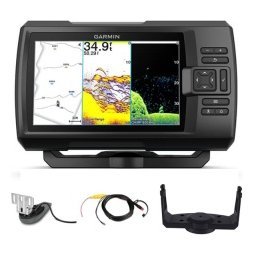
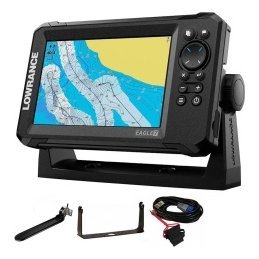
Switch on the fish finder and GPS and confirm they power up. Check the transducer is clean and secure. See our fish finder installation guide.
Ramp etiquette
Be prepared before you back down
Do as much as possible in the staging area so you do not block the ramp.
Be quick and courteous
Launch efficiently, move away from the ramp and tie up out of the way.
Keep noise and speed down
Obey no-wake zones and keep speed low near docks and other boats.
Help others
A hand with lines is often appreciated.
Launching
Back down carefully
Use a spotter if possible. Go slowly, and align the trailer with the ramp.
Check the water depth
Back down until the boat floats, and avoid putting the tow vehicle’s wheels deep in water unless it is designed for it.
Release the boat safely
Release the winch strap, check that the drain plug is secure and push the boat free or let it back off.
Park and return
Move the vehicle quickly, and walk back to the dock.
First checks on the water
Check for water in the boat
Look for leaks around the drain plug and hull, and check the bilge.
Start the engine and warm up
Check gauges and listen for unusual noises.
Test electronics
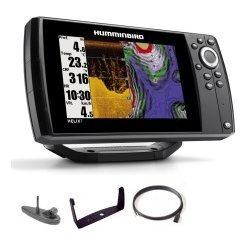
Confirm depth readings on the fish finder at idle and at speed. See our fish finder troubleshooting guide. Check that GPS has a fix, and mark the ramp as a waypoint. See our marine GPS waypoints guide.
Check lights and communication
Test navigation lights, the horn and the radio. See our VHF radio basics guide.
Retrieval and after the trip
Approach the ramp slowly
Take your time and follow ramp etiquette.
Load the boat
Winch the boat on, secure the strap and safety chain and raise the motor.
Clear the staging area
Pull off the ramp before you remove gear and drain water.
Secure everything
Replace tie-downs, covers and lights, and double-check the trailer connections.
Aftercare
Rinse and dry
Rinse the boat, engine and electronics after saltwater use. See our marine electronics maintenance guide.
Remove portable gear
Take displays, batteries and cameras home. See our GoPro battery tips.
Clean and drain
Remove weeds and drain water to help prevent spreading invasive species. Follow local rules.
Save your data
Back up waypoints and notes.
Common mistakes
- Forgetting the drain plug.
- Leaving straps attached.
- Not testing electronics.
- Blocking the ramp.
- Forgetting safety gear.
Build your own printable checklist
Use the sections above as a template and tailor them to your boat. Write each item as a short line with a box beside it. Group items under headings such as Trailer, Boat, Safety gear, Electronics and Retrieval. Laminate the page or place it in a waterproof sleeve and keep it in the tow vehicle. Use a dry-erase marker so you can tick items and wipe them clean. If you launch with a partner, divide the list so each person checks different sections, which speeds things up and reduces missed items.
Add items that match your gear
If you have a trolling motor, add a check for its battery and mounting. If you carry cameras, add a reminder to mount and test them. If you fish at night, add lights and a spotlight. A personal checklist grows with your boat and habits, and becomes more useful every season.
Practise without pressure
If you are new to launching, practise on a quiet day or at an empty ramp. Backing a trailer is a skill, and trying it with a line of impatient boaters behind you makes it harder. A few practice runs build the confidence that makes every real launch calmer.
Dealing with common ramp problems
If the trailer will not back straight, pull forward and try again rather than forcing it. If the boat will not float off, check that the winch strap is released and the bunks are wet. If the engine will not start, move the boat away from the ramp and troubleshoot at the dock, not in the way. If the electronics show no power, check the battery switch and fuses before assuming the unit is faulty. Stay calm, ask for help if you need it and avoid rushing, which is when mistakes happen.
Frequently asked questions
What is the most important launch check?
The drain plug and the trailer connections.
Should I test electronics at the ramp?
Yes. It is easier to fix problems at the ramp than on the water.
How can I launch faster?
Prepare in the staging area and practise with a partner.
How do I stop spreading invasive species?
Clean, drain and dry your boat and gear, and follow local regulations.
Make every launch smooth
A reliable boat launch checklist reduces stress and risk and gets you on the water faster. Print it, keep it in the vehicle and use it every time. Browse electronics and safety gear in our shop and contact us for help choosing equipment.
Related reading from Fishtrail Outfitters
- Buy Marine Electronics Online: A Smart Buyer’s Checklist
- Tournament Fishing Electronics: Prepare Your Sonar, GPS and Power
- Spring Fishing Electronics Checklist: Get Your Gear Ready After Winter
- Kayak Fish Finder Guide: How to Choose and Mount One on a Kayak
Further reading: Take Me Fishing: how to get started and where to fish
Questions before you buy? Contact Fishtrail Outfitters or browse the shop.